Timbertech vs Trex vs. Fiberon vs. Deckorator vs. MoistureShield
The decking industry stands at a pivotal crossroads, where innovation meets tradition and sustainability intertwines with luxury. As homeowners increasingly view their outdoor spaces as extensions of their living areas, the demand for high-quality, durable, and aesthetically pleasing decking solutions has surged to unprecedented levels.
This shift in consumer behavior, rapid technological advancements, and a growing emphasis on eco-friendly practices have transformed the decking market into a dynamic and fiercely competitive landscape. From composite materials that mimic the warmth of natural wood to cutting-edge 3D visualization tools that revolutionize the buying experience, the industry is ripe with opportunities for composite decking brands that can navigate its complexities.
This comprehensive exploration will delve into the challenges and prospects that define today’s decking market, offering insights and strategies to help businesses survive and thrive in this evolving sector.</br/>
Part 1. Challenges and Opportunities of the Decking Market
Part 2. Crafting Your USP: Maximizing Decking Sales Potentials
Part 3. Top 5 Decking Brands – What They’ve Done Right
Trex
Fiberon
TimberTech
Deckorators
MoistureShield
Part 4. New Players Utilize Ansoff Matrix for Differenciation
Part 5. Compelling Marketing Narratives for Decking Businesses
Part 6. 3D Visualization Integrated in Decking Businesses
1. Diversification and Innovation
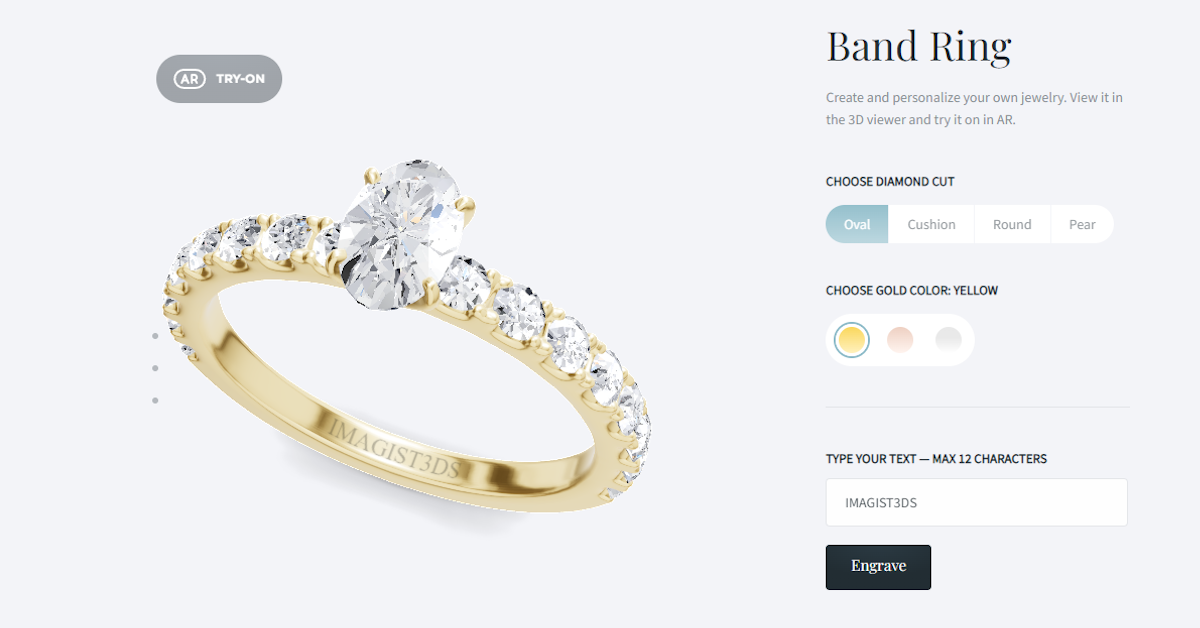
2. Provide a 3D Configurator or AR/VR Technologies
3. Build 3D Models Before Production
4. Highlight Product USP with 3D Rendering or Animation
5. Create a 3D Interactive Product Display
6. Ease Customer’s Learning Curve with Installation Guides
7. Social Media and Marketing Campaigns
Part 7. How Deck Business Outsource 3D Visualization Visuals
1. Identifying the Right 3D Visualization Firm
2. Defining the Project and Setting Expectations
3. Collaborating and Finalizing the Visuals
Part 1. Challenges and Opportunities of the Decking Market
The decking market presents a landscape of both significant challenges and lucrative opportunities. Among the foremost challenges are the fluctuating prices of raw materials, which can impact production costs and pricing strategies. Additionally, competition from materials such as composite decking poses a threat to traditional wooden decking options. Maintenance issues, particularly for wooden decking, further complicate the market, as consumers seek more durable and low-maintenance solutions. Moreover, environmental concerns and sustainability pressures are increasingly influencing consumer preferences and regulatory landscapes, compelling manufacturers to innovate and adopt greener practices.
Conversely, the market is rife with opportunities. Rising urbanization and infrastructure investments create a growing demand for decking in residential and commercial projects. There is a notable surge in interest in low-maintenance, durable decking solutions that offer longevity and ease of upkeep. Increasing disposable income among consumers is driving a wave of home improvement projects, fueling the demand for high-quality decking materials. Additionally, there is significant potential for expansion into commercial markets, such as hotels, resorts, and marinas, where the demand for aesthetic and durable outdoor spaces is on the rise.
Part 2. Crafting Your USP: Maximizing Decking Sales Potentials
A Unique Selling Proposition (USP) is a key feature or advantage that distinguishes a product from its competitors and highlights its unique value to customers. Creating significant unique selling opportunities not only highlights the exceptional features of composite decking but also demonstrates why it is increasingly becoming the preferred choice for homeowners and commercial projects alike and can enhance market success. To further illustrate the distinct advantages of composite decking, let’s explore some of the key selling propositions that set it apart from traditional wood decking: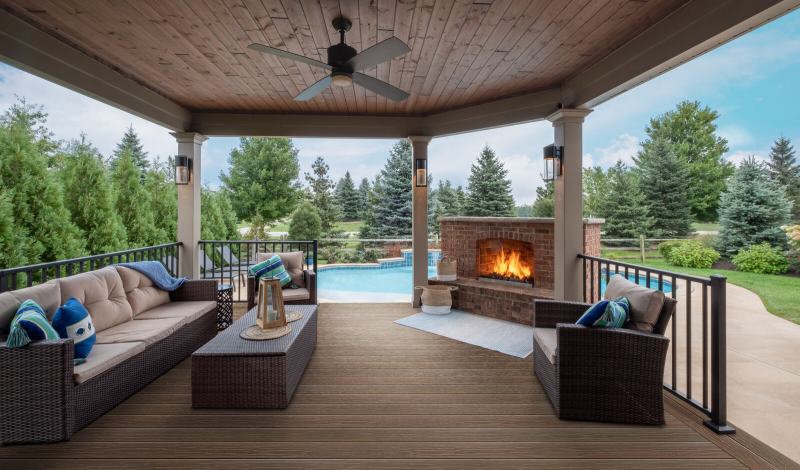
Highlight Low Maintenance and Longevity
To succeed in this dynamic market, sellers should highlight the low maintenance requirements and longevity of composite decking. Unlike traditional wood, composite decking does not require regular staining, sealing, or painting, which saves homeowners significant time and effort. This low-maintenance feature makes it an attractive option for busy individuals and families who want a beautiful outdoor space without ongoing upkeep.
Showcase Design Versatility
Showcasing the wide array of color options and design versatility available with composite decking allows customers to envision a tailored look that complements their aesthetic preferences. Composite decking comes in a variety of hues, textures, and finishes, enabling homeowners to create a customized outdoor space that matches their style and the architectural features of their home. This design flexibility can be a major selling point for those looking to enhance their outdoor living areas.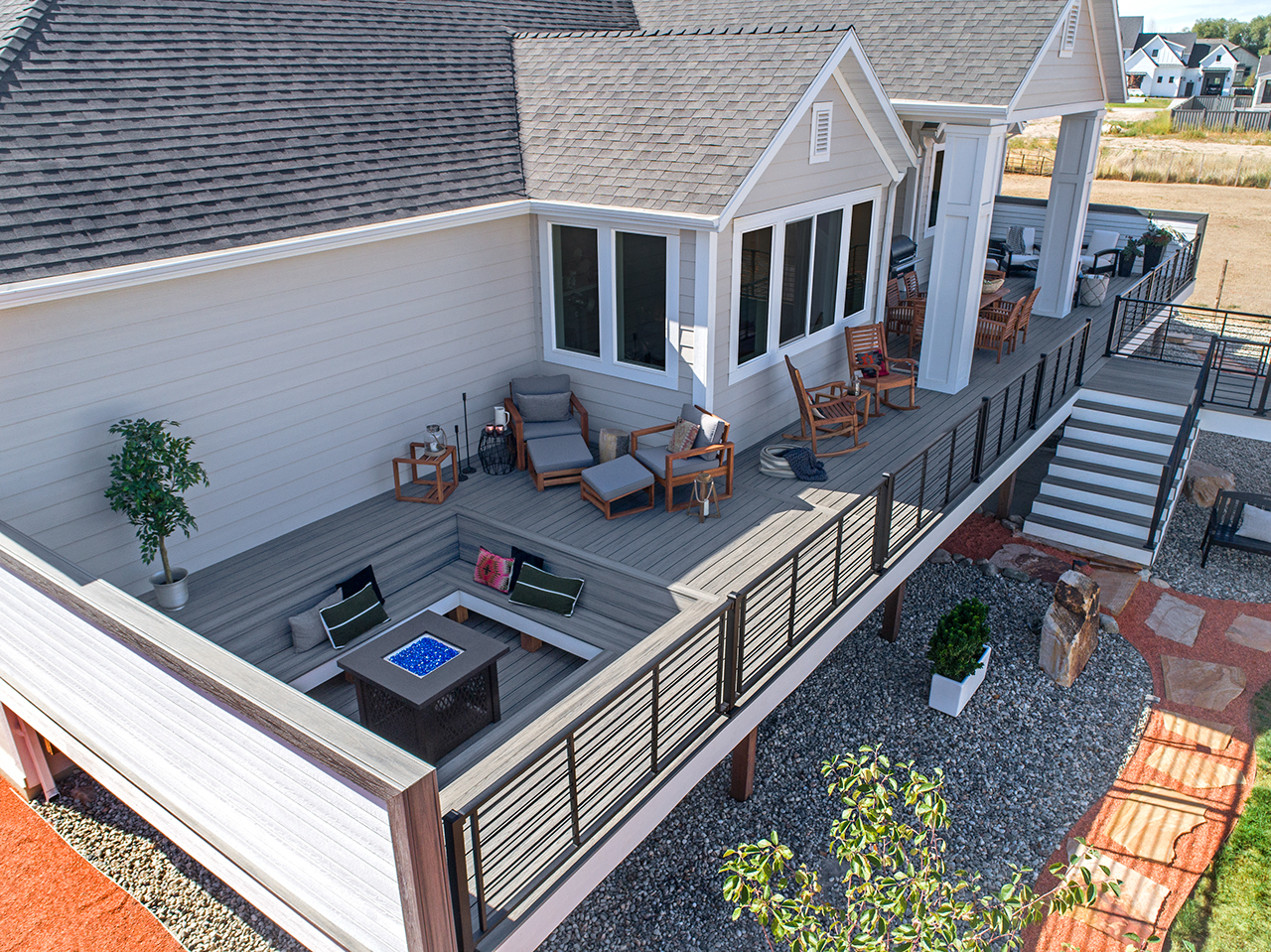
Offer Comprehensive Warranties
Offering comprehensive warranties can build customer confidence by assuring them of the product’s quality and durability. Long-term warranties that cover issues such as fading, staining, and structural integrity give customers peace of mind that their investment is protected. This assurance can be particularly persuasive for those hesitant about the higher upfront cost of composite decking compared to traditional wood.
Emphasize Eco-Friendly Aspects
Emphasizing the eco-friendly aspects of composite decking, such as the use of recycled content, can attract environmentally conscious buyers who prioritize sustainability. Composite decking is often made from a combination of recycled wood fibers and plastic, diverting waste from landfills and reducing the demand for new raw materials. By promoting these green credentials, sellers can appeal to a growing segment of consumers who are looking to reduce their environmental footprint.
Each of these attributes addresses specific needs and preferences. By providing clear comparisons and detailed explanations of long-term cost savings for using sustainable composite decking, such as reduced maintenance costs, longevity, and resistance to weathering and insects, sellers can help homeowners appreciate the value and return on investment offered by composite decking despite the higher initial investment and help them make informed decisions that align with their financial and lifestyle goals.
Part 3. Top 5 Decking Brands – What They’ve Done Right
When it comes to decking, several composite decking brands stand out for their quality, innovation, and customer satisfaction. Trex, Fiberon, Timbertech, Deckorators, and MoistureShield are among the top names in the industry. Each brand has a unique history and a range of products that cater to different needs and preferences.
Trex
Trex, a leader in the composite decking industry founded in 1996, offers a wide range of products including Trex decking, Trex railing, Trex handrails, and outdoor furniture. Trex decking products, known for their durability, sustainability, and low maintenance, are made from 95% recycled materials, including reclaimed wood and recycled plastic.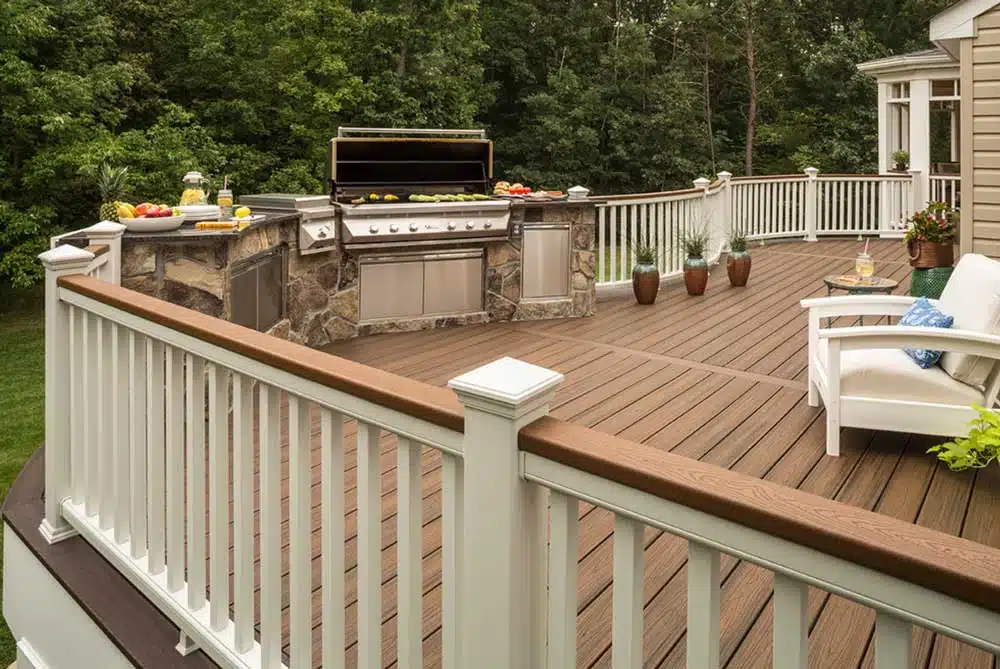
Trex positions itself as a premium brand, offering a high-performance shell technology for extreme weather and UV protection to resist fading, staining, and scratching and catering to different price points and aesthetic preferences with its diverse product lines. They offer product collections with various warranties, to name a few, Trex Signature®, Trex Transcend® Lineage™ and Trex Transcend® with a 50-year limited residential warranty, Trex Select® with a 35-year limited residential warranty, and Trex Enhance® with a 25-year limited residential warranty.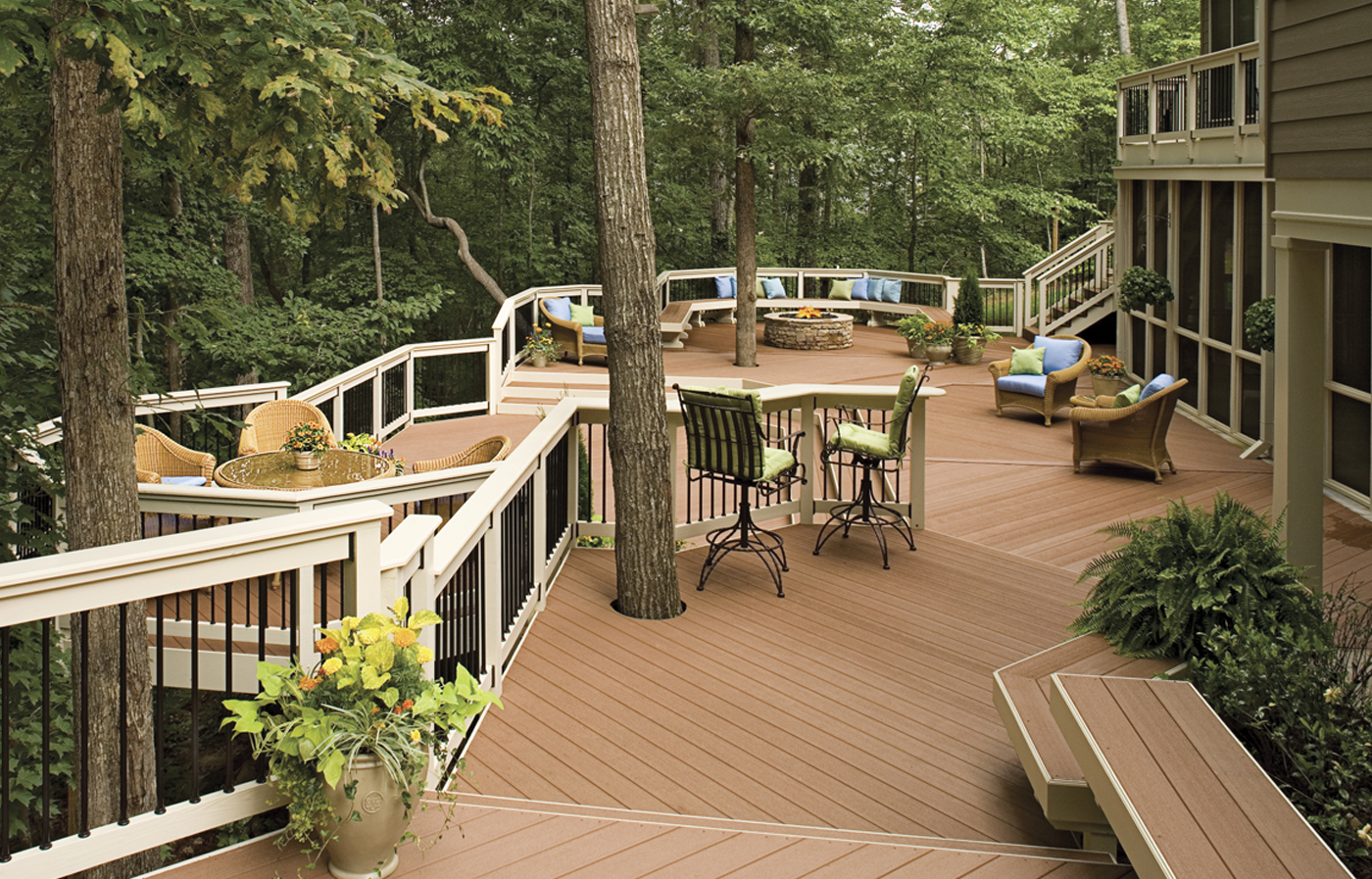
They’ve been at the forefront of innovation, introducing the first curved deck boards and hidden fasteners. A customer generally praises the longevity and aesthetic appeal of Trex products. Trex also offers a Trex deck designer offering customers more flexibility on deck space customization. Besides its product features, Trex is well-known for its cutting-edge marketing strategy. Check this informative article on the Trex deck supplier case study if you would like to know more about what Trex did right to outstand its competitors.
Fiberon
Fiberon has been a significant player in the decking industry since its inception in 1997. Their PermaTech innovation, an exclusive 3-sided cap layer that protects against fading and staining, helped them garner positive customer feedback for their price-to-performance ratio. Fiberon is known for its high-performance, low-maintenance PVC and PE composite decking options with a wide array of colors and finishes that mimic real wood. Their products are crafted to withstand the elements and resist mold, mildew, and insects. Due to its top quality and high performance, Fiberon’s warranty offerings are robust. To take some instance, the Promenade, Paramount, Concordia Symmetry Collection, and Concordia Horizon Collection, come with a 50-year stain & fade resistance warranty, Sanctuary Collection comes with a 40-year warranty, while some other collections come with a 20-30-year warranty.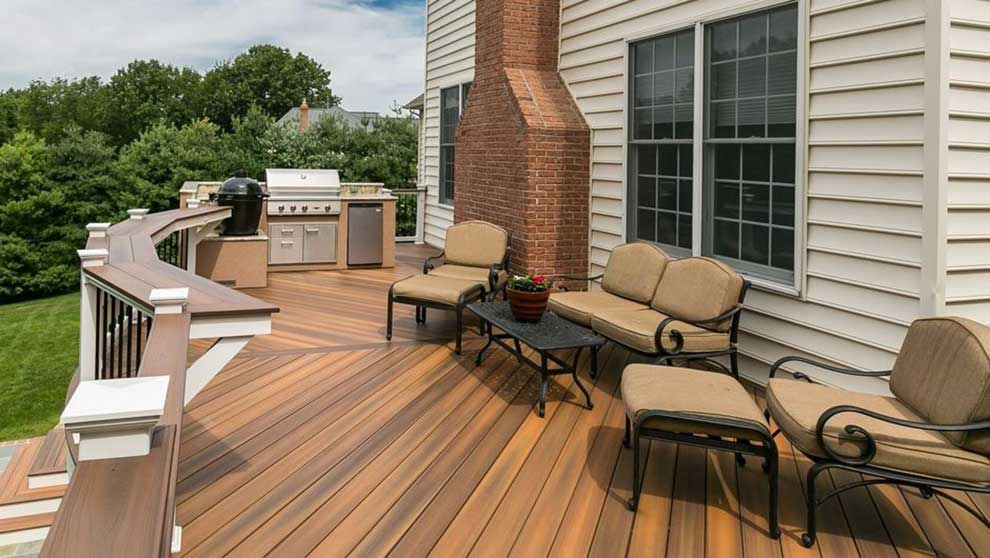
TimberTech
TimberTech, a division of The AZEK Company, has been producing composite decking since 1997. They offer three main product lines: TimberTech AZEK (PVC), TimberTech PRO, and TimberTech EDGE (both wood-plastic composites). Timbertech decking is designed to mimic the look of real wood, meanwhile, it provides superior resistance to weather and wear. Their product lineup includes decking, railing, pavers, and lighting solutions. Known for its capped polymer and capped composite decking options, TimberTech has positioned itself as an innovative leader, introducing unique color blending technology and realistic wood grain patterns. Their sustainability efforts include using up to 80% recycled material in some product lines. Their products come with warranties ranging from 25 to 50 years, depending on the line.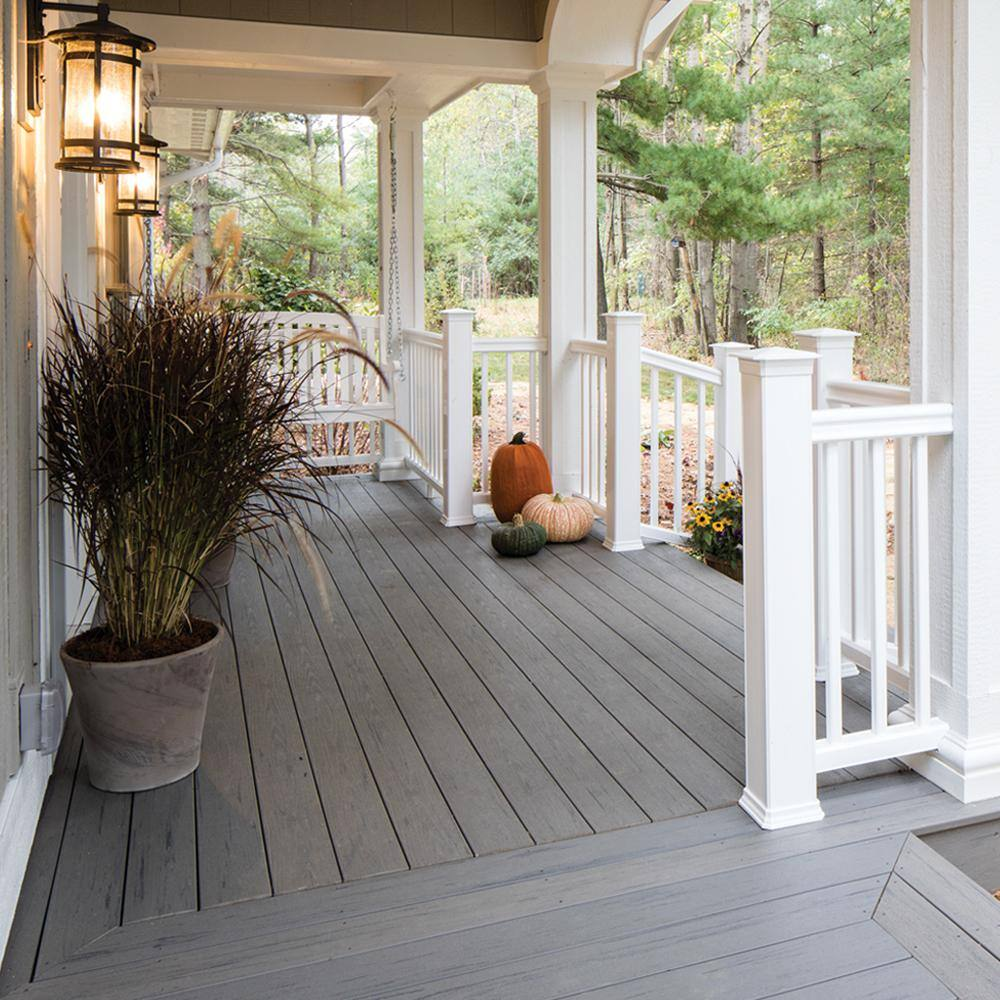
Deckorators
Deckorators, a UFP (Universal Forest Products) brand, entered the composite decking market in 2008. It is a relative newcomer but has quickly gained popularity for its innovative products. Deckorators is known for its diverse product line, which includes not only decking but also railings, balusters, and accessories. Deckorator is positioning itself as a reliable, mid-range option. Their unique selling point is their mineral-based composite technology that offers enhanced strength and reduced thermal expansion. Their sustainability focus is on using recycled materials and ensuring their products are recyclable at the end of their lifecycle. While their market presence is not as extensive as some competitors, they’ve been gaining ground, especially in the DIY market. Deckorators products are designed to be low-maintenance and long-lasting, with warranties that often extend up to 50 years. The brand is appreciated for its innovation and the versatility of its offerings, allowing homeowners to create customized outdoor spaces. Customer feedback often highlights the ease of installation and the variety of design options available.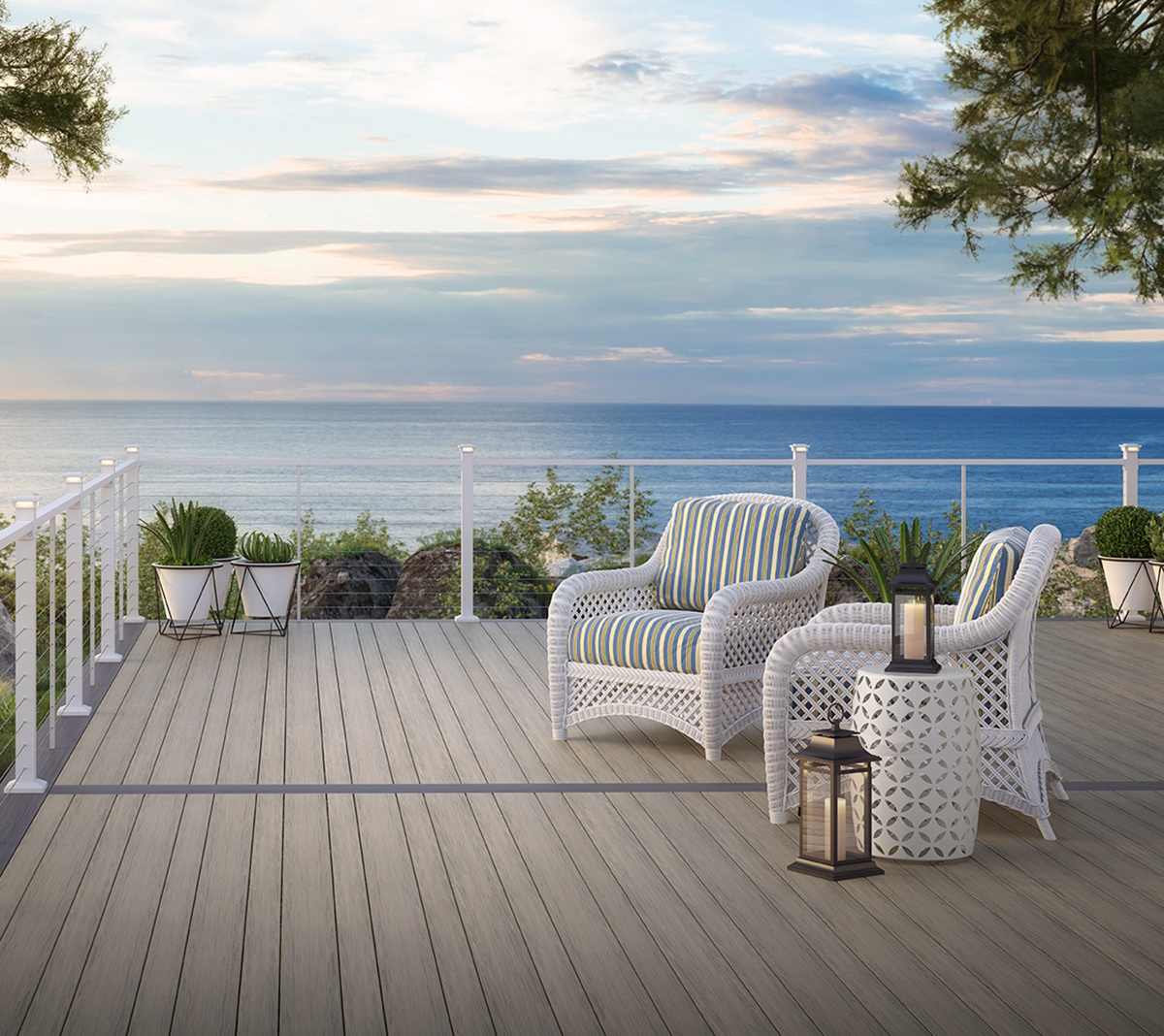
MoistureShield
MoistureShield, founded in 1988, specializes in composite decking that can withstand even the most challenging environments. MoistureShield’s decking is engineered to resist moisture, rot, and insects, making it ideal for regions with high humidity or frequent rainfall. Their products are unique for their Solid Core technology they can be installed on the ground, in the ground, or even underwater without compromising performance. Innovation at MoistureShield includes their CoolDeck technology, which reduces heat absorption by up to 35%. offers product lines such as Vision, Meridian, and Elevate. Their sustainability efforts focus on using 95% recycled materials, including hard-to-recycle plastic films. They offer a 50-year transferrable structural warranty, underscoring their products’ durability. The brand’s market presence is growing, with customers praising the reliability and versatility of their decking solutions and emphasizing its products’ resistance to moisture, mold, and mildew.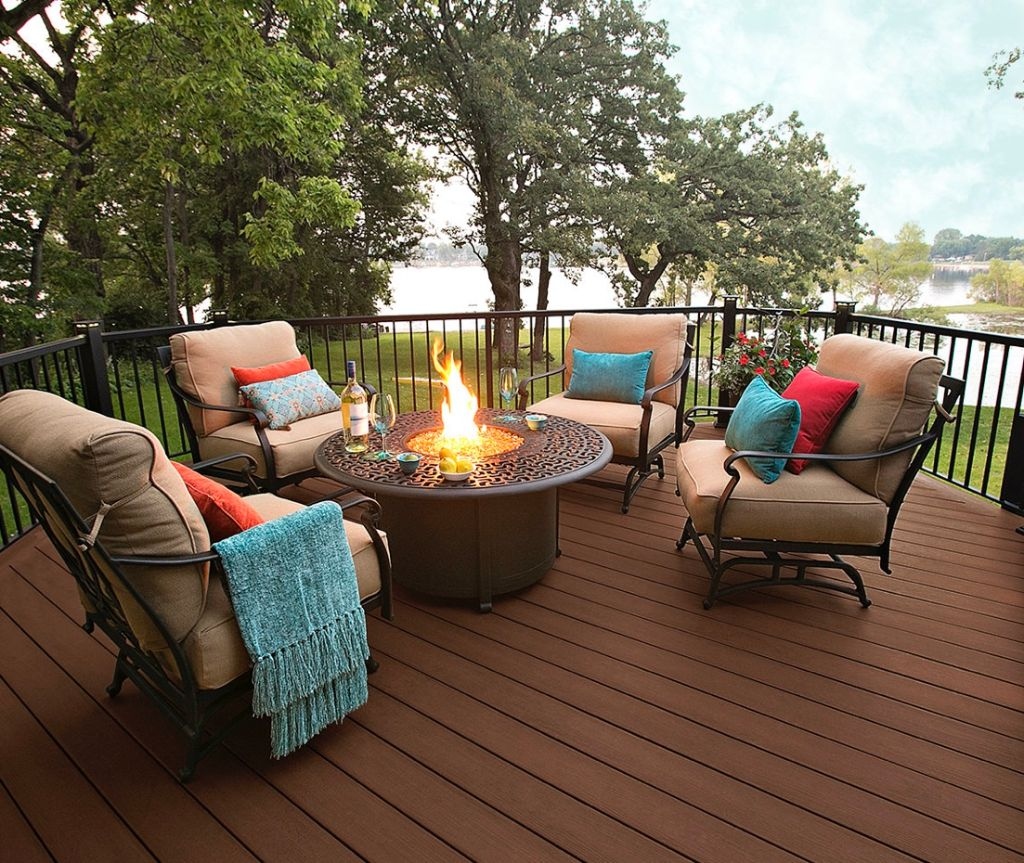
Part 4. New Players Utilize Ansoff Matrix for Differenciation
While established industry giants like Trex and Fiberon have significant competitive advantages after nearly 30 years in the market, there are still opportunities for new entrants to carve out their niche in the composite decking industry. To stand out in this fierce competition, newcomers can leverage strategies inspired by the Ansoff Matrix. As outlined in its framework, Ansoff Matrix helps businesses identify growth opportunities through four key areas: market penetration, market development, product development, and diversification. To stand out in this fierce competition, newcomers can focus on several key strategies:
1. Product Innovation
New decking industry players can develop unique product features or technologies that address unmet customer needs, aligning with the product development quadrant of the Ansoff Matrix. They could offer exclusive color options or surface textures that appeal to specific market segments. Implementing innovative installation systems could also set them apart from competitors.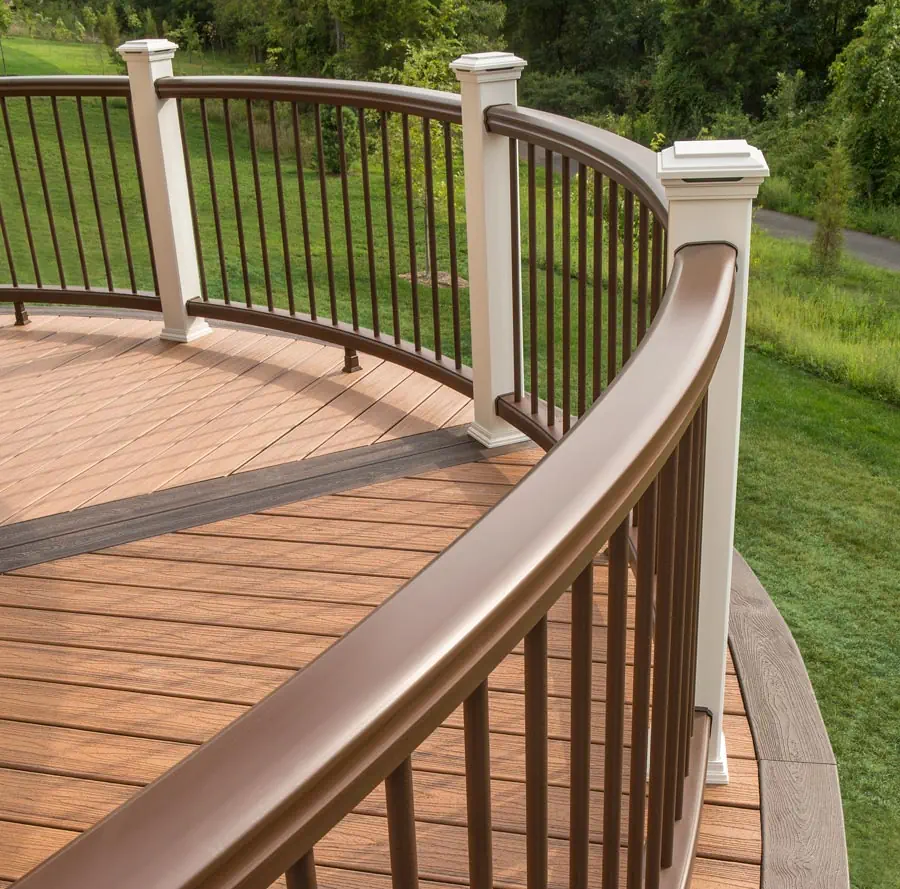
2. Customer Experience
Differentiating through superior customer support and education can be a powerful market penetration strategy building trust with customers. Creating loyalty programs for contractors and homeowners can build a dedicated customer base. Implementing AI-powered chatbots for customer support can provide round-the-clock assistance and improve customer satisfaction.
3. Data and Technology
Utilizing data analytics for inventory management and trend forecasting can help new entrants make informed decisions and stay ahead of market trends. Developing user-friendly mobile apps for easy ordering and project management can enhance the customer experience and streamline operations, supporting both market penetration and product development efforts.
4. Operational Excellence
Investing in automated manufacturing processes can increase efficiency and help new players compete on cost and quality. This approach can help level the playing field against more established competitors and support market development strategies.
5. Smart Products
Leveraging IoT sensors for smart decking products, such as integrated lighting or heating elements, could create a unique value proposition that appeals to tech-savvy consumers. This strategy combines elements of product development and diversification from the Ansoff Matrix, potentially opening new market opportunities.
6. Partnerships
By forming partnerships with complementary businesses such as landscaping companies, architects, or home improvement retailers, newcomers can expand their reach and boost credibility in the market, fitting into market development and diversification strategies. These strategic alliances can open doors to new customer segments and distribution channels. By collaborating with companies that offer related products or services, new entrants can access new customer bases and build stronger brand recognition.
7. Agility
Unlike larger, more established firms that may be slower to adapt, maintaining a smaller size offers advantages in terms of agility. Leveraging agility, smaller companies can respond more quickly to market changes, allowing them to adapt to emerging trends and customer needs faster than larger, established competitors. This flexibility allows for potentially carve-out unique positions in niche markets or underserved segments of the industry. New players can quickly pivot their strategies, adjust product offerings, and technological advancements, or implement innovative marketing approaches.
By combining product innovation, exceptional customer service, data-driven decision-making, advanced technology, partnership, and agility under the Ansoff Matrix framework, new companies can carve out a niche in this competitive market.
Part 5. Compelling Marketing Narratives for Decking Businesses
In the competitive decking industry, crafting compelling narratives is essential for capturing the attention of potential customers, retaining customers, and differentiating your brand. Here are some effective marketing techniques:
1. Utilize User-Generated Testimonial and Visuals as Social Proof
Showcasing your decking products through a mix of before-and-after photos, customer testimonials, and informative videos can transform your marketing. Before-and-after photos vividly illustrate your service value and aesthetic improvement. Encouraging happy customers to share their experiences and finished projects builds trust and authenticity, serving as social proof of your product’s quality and reliability. Additionally, creating engaging videos with installation tips, maintenance guides, and product features position your company as an expert in the field. This highlights the value of your offerings builds credibility and educates your audience, driving engagement and sales.
2. Tailor Targeted Social Media Campaigns
Developing targeted social media campaigns for different customer segments allows for more personalized and effective marketing. By tailoring content and messaging to specific groups – such as first-time homeowners, luxury property owners, or eco-conscious consumers – companies can more effectively resonate with their diverse audience and address their unique needs and preferences.
3. Collaborate with Influencers and Home Improvement Experts
Partnering with influencers and experts in the home improvement industry can significantly extend a brand’s reach and credibility. These collaborations can introduce your brand to new audiences, provide expert endorsements, and showcase the decking products in real-world applications with their followers. Such collaborations can range from social media posts to featured installations in home improvement shows or blogs.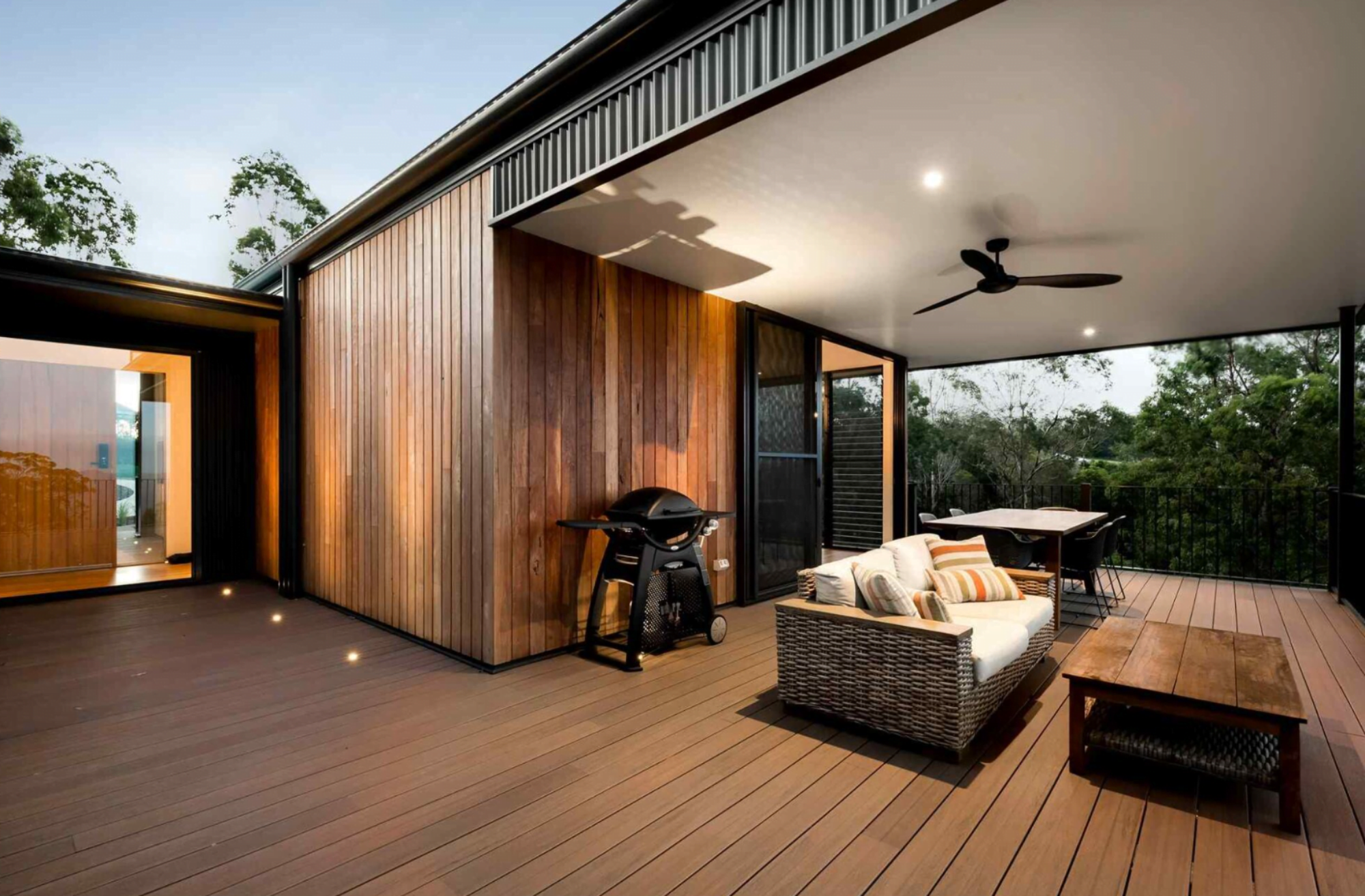
By implementing these marketing techniques and crafting compelling narratives, decking businesses can create a strong brand presence, effectively communicate their value proposition, and stand out in a crowded market. However, the key to truly boosting marketing effectiveness lies in using visual storytelling techniques. Consistently delivering high-quality, engaging visual content showcases the product, and addresses the needs and aspirations of potential customers. In the next section, we will introduce how to leverage 3D visualization to elevate your marketing efforts to the next level and meet the latest product marketing trends.
Part 6. 3D Visualization Integrated in Decking Businesses
Decking businesses can leverage 3D visualization technology to open up new possibilities for product development, customer engagement, and service offerings significantly expand their offerings, and enhance customer experiences to stay ahead in today’s competitive decking market.
1. Diversification and Innovation
Regularly conducting market research and experimenting with various product lines, styles, materials, and configurations is crucial to achieving diversification, aesthetic appeal, and functionality in product design. This process allows for rapid prototyping and iteration of different materials such as composite decking, treated lumber, exotic hardwoods, innovative features like built-in lighting, hidden fasteners, or modular designs to set your products apart from competitors. Rapid prototyping and interactive design practices allow for the testing of new concepts after gathering customer feedback to inform diversification efforts and adapt to fast-changing market trends. This approach expands your market reach, and positions your company as an industry leader in innovation and customer-centric design.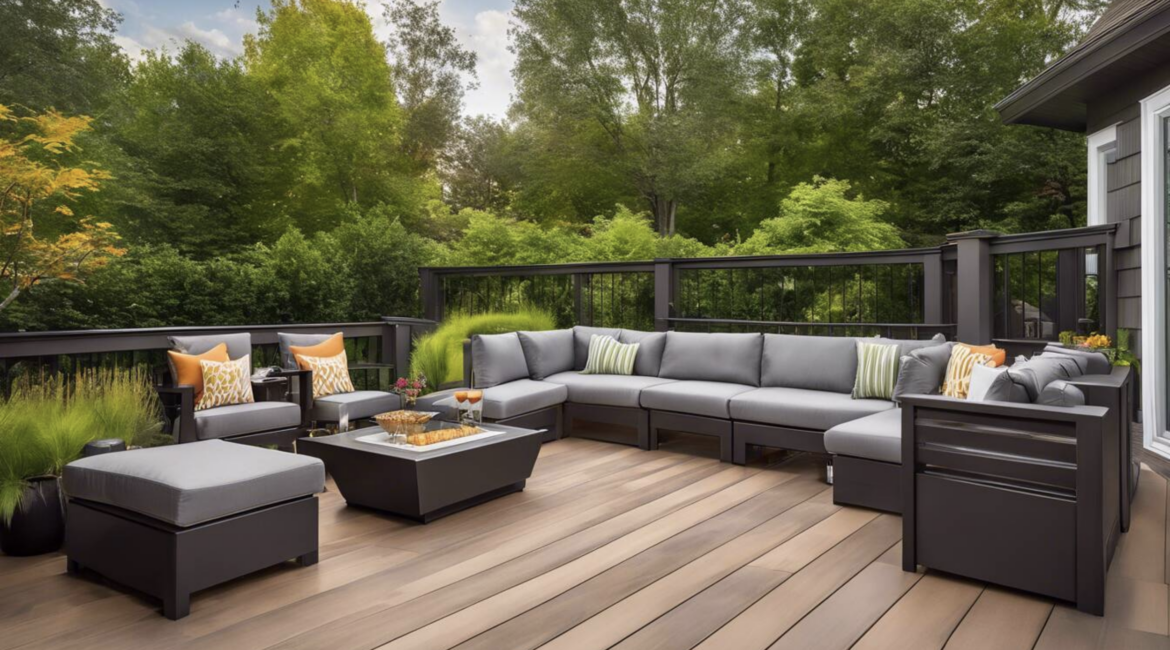
2. Provide a 3D Configurator or AR/VR Technologies
Decking businesses can offer cutting-edge 3D configurators or augmented reality (AR) or virtual reality (VR) technologies that offer an immersive, interactive experience and allow clients to experiment with different deck layouts, materials, colors, and accessories in real time to customize and visualize their future decking space in a virtual environment. This immersive experience enables clients to make informed decisions and provides a platform for effective collaboration between designers and customers. This technology provides a shared, tangible platform for discussions and refinements, reduces the likelihood of miscommunication or disappointment with the final product, and helps to close deals more quickly and efficiently.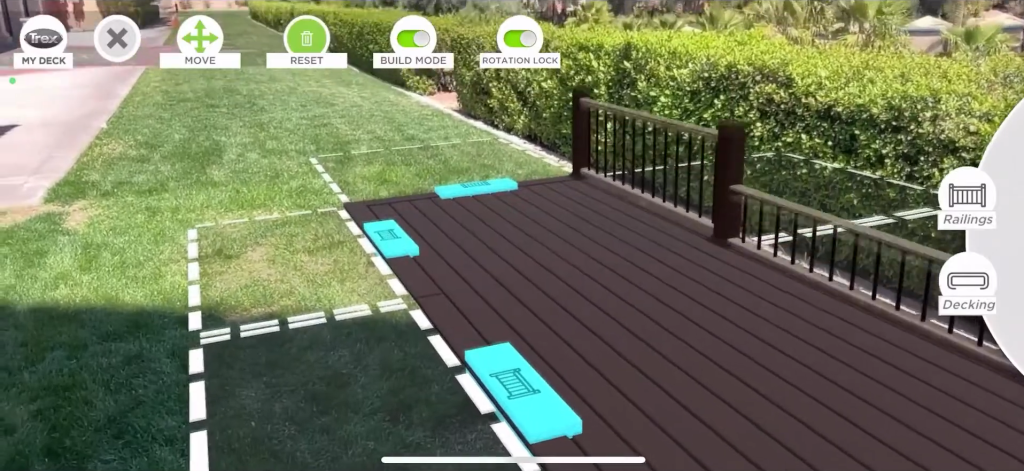
3. Build 3D Models Before Production
Creating detailed 3D product models before moving into production is essential to visualize the product from multiple perspectives identify potential design flaws, validate the design, and facilitate model iteration. By iterating on the 3D models, designers can conduct virtual stress tests, analyze material requirements, make necessary adjustments and refinements before physical production begins, and optimize the manufacturing process. This allows designers to minimize costly errors and ensures the final product meets quality standards. Furthermore, a well-developed 3D model can be shared with stakeholders across your organization, from engineering and manufacturing to marketing and sales to ensure everyone is aligned on the product vision and specifications, leading to a more streamlined and efficient development process.
4. Highlight Product USP with 3D Rendering or Animation
Utilizing 3D product renderings and 3D product animations to highlight unique selling points (USPs) of your products can help explain product features, benefits, and design elements in a clear and compelling manner, making it easier for customers to understand and appreciate the value of your offerings. Creating photorealistic 3D renderings that showcase your decking products in various settings, and developing vivid 3D animations that demonstrate unique features such as weather resistance, ease of maintenance, or eco-friendly attributes can emphasize their aesthetic appeal and demonstrate how the product fits within various contexts. These appealing visual assets can be used across multiple platforms, including websites, sales presentations, trade show displays, and digital advertising campaigns, leading to more prospective reach, increased interest, and potentially higher sales.
5. Create a 3D Interactive Product Display
3D interactive product display allows potential clients to interact with the product in a way that static images cannot. It enables customers to rotate, zoom in and out, and view products from different angles, providing a comprehensive understanding of the item on display and enhancing customer engagement. 3D interactive models can include features such as customizable color options, material comparisons, and the ability to save and share favorite configurations. Having a 3D interactive model integrated into clients’ buying journeys can improve customer experience and reduce the need for physical samples and printed catalogs, contributing to cost savings and environmental sustainability.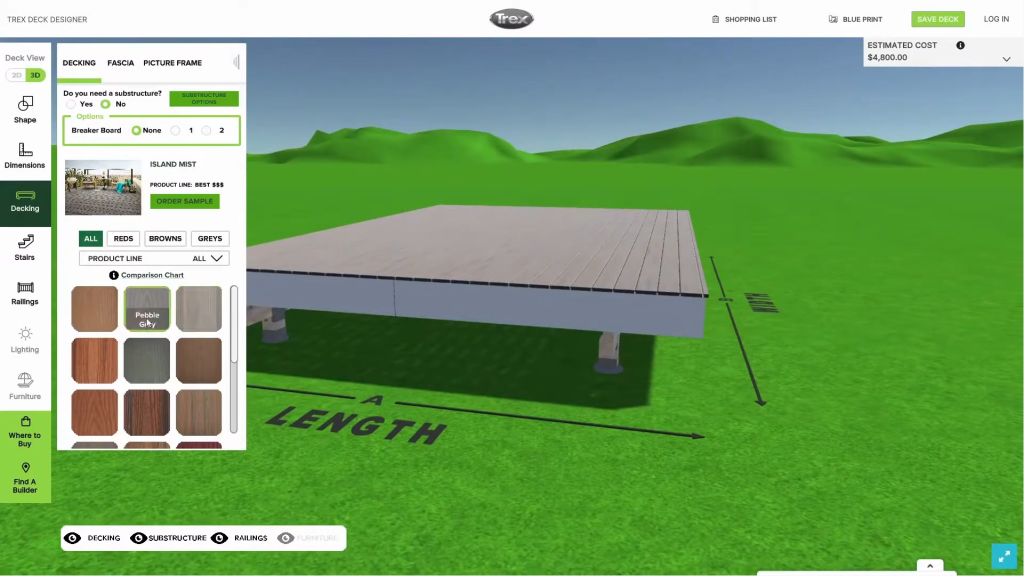
6. Ease Customer’s Learning Curve with Installation Guides
Deck business can provide an easy-to-follow 3D animation installation guide, showcasing step-by-step installation video guide and interactive elements, break down the installation process into manageable steps, making it straightforward and enjoyable for customers, especially novices, who are new to DIY projects or unfamiliar with product assembly. 3D installation animation can significantly ease the learning curve for customers, address product assembly challenges, and reduce the likelihood of errors and frustrations but also enhances the overall customer experience.
7. Social Media and Marketing Campaigns
Incorporating different types of 3D visualization into brochures, videos, social media, and marketing campaigns can create engaging and visually striking content that captures the attention of potential buyers and highlights products’ unique features and benefits memorably. These engaging visual content help your business differentiate the brand from competitors, create a powerful online presence, and generate interest in offerings ultimately contributing to a more successful marketing strategy.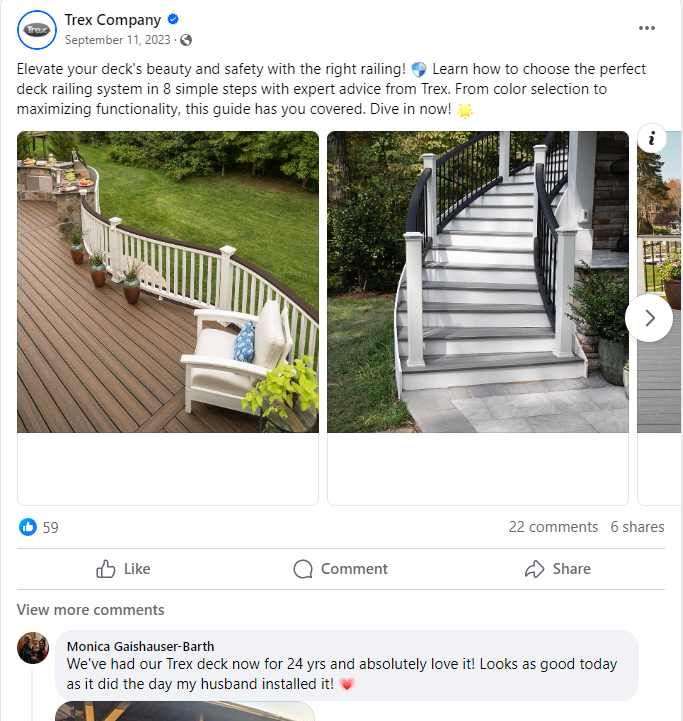
By integrating these 7 visual strategies, decking businesses can leverage the full potential of 3D visualization to enhance customer experiences, streamline design and development processes, and boost marketing and sales efforts. This holistic approach positions your brand as an innovative leader in the decking industry, capable of delivering exceptional customer experiences and driving sales growth. If you need 3D visualization for your marketing strategy but don’t know where to start, you can turn to a 3D visualization studio for help.
Part 7. How Deck Business Outsource 3D Visualization Visuals
Integrating 3D visuals seamlessly into your sales process, marketing materials, and client presentations allows deck businesses to focus on their core competencies maintain brand consistency, and boost sales. However, outsourcing 3D visualization is a common challenge for many decking businesses. How to find the right firm, ensure high-quality results, and manage the collaboration effectively. In this paragraph, we will first discuss how to identify the right 3D visualization firm. Next, we will explore how to collaborate effectively to finalize the visuals and integrate them into your marketing and sales efforts.
1. Identifying the Right 3D Visualization Firm
Outsourcing 3D visualization for decking businesses involves several key steps to ensure high-quality results and smooth collaboration. Start by identifying reputable 3D visualization firms with a strong portfolio in the decking or construction industry, like Imagist3ds.
Check references and online reviews to ensure their reliability and professionalism. Evaluate the technical expertise of the firm, making sure they use the latest software and technologies such as AutoCAD, SketchUp, or 3ds Max, and request sample work or a small pilot project to assess their capabilities.