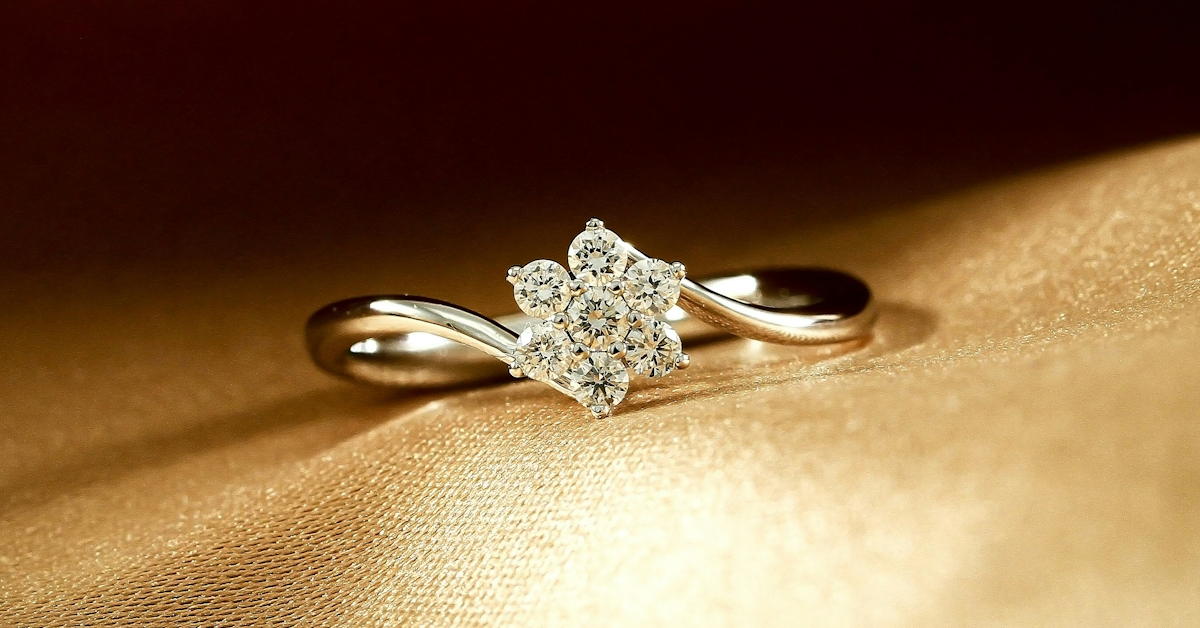
Permanent jewelry refers to welded-on pieces like permanent bracelets or permanent anklets that are worn continuously without a clasp. Beyond being a fashion statement, it holds deep sentimental value, often symbolizing special relationships or life milestones. With the market for permanent jewelry steadily growing, offering both customization and unique customer experiences is becoming key to standing out.
Incorporating 3D technology into your permanent jewelry business can further enhance this experience, allowing customers to visualize their jewelry combinations in real time before committing. Whether you’re an established jewelry brand looking to expand, a startup breaking into the market, or a small-to-mid-sized business encountering growth challenges, this article will provide you with practical tips on how to leverage both traditional methods and 3D technology to succeed in the permanent jewelry industry.
Part 1. Permanent Jewelry vs Traditional Jewelry
Part 2. Current Market Trends of Permanent Jewelry Industry
Part 3. Diverse Business Models of The Permanent Jewelry Market
Part 4. Why Permanent Jewelry Becomes So Popular
Part 5. How to Start Doing Permanent Jewelry
Part 6. Practical Tips for SMEs to Boost Their Jewelry Business
Part 7. Integrate 3D Technology Throughout Business Strategies
Part 1. Permanent Jewelry vs Traditional Jewelry
1. Attachment Methods
What is permanent jewelry? As its name indicates, permanent jewelry is intended to be worn continuously without removal. Unlike traditional jewelry that uses clasps, hooks, toggle closures, fasteners, and push buttons for easy removal and reattachment as desired, permanent pieces are typically welded or soldered directly onto the body. The process usually involves a jeweler using a small, precise welding tool to join the ends of a delicate permanent jewelry chain or bracelet around the wearer’s wrist or ankle.2. Symbolism
Choosing a piece of jewelry to wear indefinitely can symbolize an unbreakable connection, represent a significant commitment, a lasting memory, or a meaningful life event. Some choose permanent jewelry to commemorate relationships, achievements, or personal milestones. The permanence itself becomes part of the symbolism, representing endurance and constancy.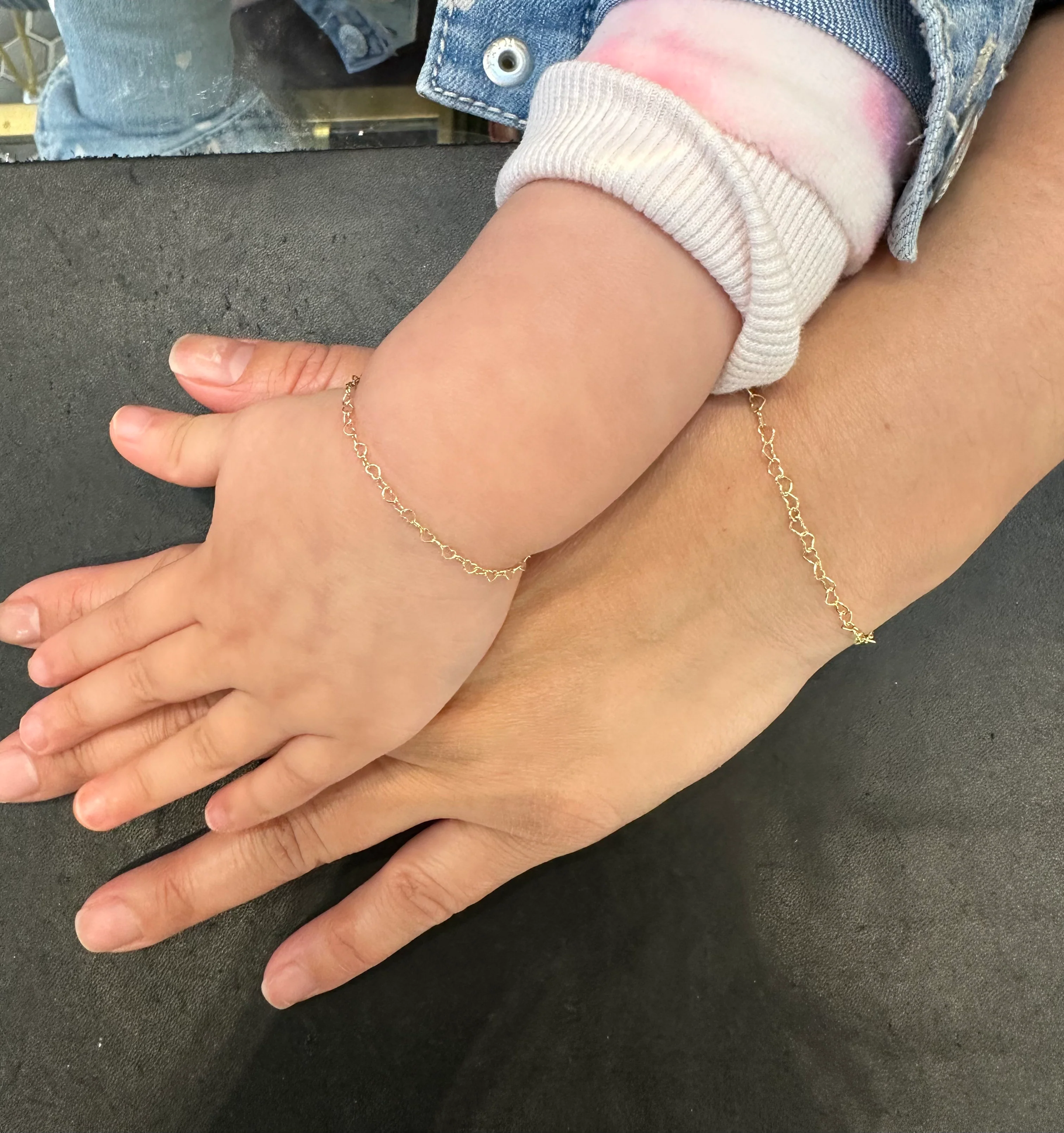
3. Material
Another key difference between permanent jewelry and traditional jewelry is the material options. Permanent jewelry, due to its purpose for long-term contact with the skin, is more critical when choosing the material. Solid, highly durable, and hypoallergenic metals like 14k, 18k gold, platinum, or sterling silver are selected for their strength and resistance to tarnishing. These materials minimize the risk of skin irritation or allergic reactions over extended periods of wear. Traditional jewelry, however, can be made from a wider range of materials, including less expensive metals such as brass, stainless steel, plated metals, gemstones, leather, and even plastic, depending on the intended use and budget.4. Customization
Permanent jewelry offers a high degree of personalization. It is often custom-fitted to the wearer’s body, measuring the exact circumference of a wrist or ankle and crafting a piece to contour to the wearer’s unique body shape, ensuring a perfect and permanent fit. Even though traditional jewelry allows for custom-made as well, it is more often mass-produced and available in standardized sizes and offers adjustable features like extender chains or sliding knots.5. Maintenance
As permanent jewelry cannot be easily removed, it is less likely to be damaged due to repeat handling and it requires minimal maintenance. Consistent exposure to the skin’s natural oils can even contribute to a natural polishing effect over time. However, wearers might need to take extra care during high-impact activities and exposure to chlorinated or saltwater as it can cause damage or tarnishing. Harsh chemicals can weaken the jewelry so regular checks and cleanings are recommended to maintain its appearance and prevent wear. However, as permanent jewelry is inconvenient to take off when repairs, resizing, or removal is needed, you will need to have it cleaned, adjusted, or repaired by a jeweler.Part 2. Current Market Trends of Permanent Jewelry Industry
Due to its characteristic of low-maintenance, minimalist design, and high personalization, permanent jewelry has seen a remarkable increase in popularity, with a reported 124% growth in interest over the past year. The market’s appeal lies not only in its aesthetic value but also in the emotional connection it fosters, often symbolizing commitments or personal expression. Some consumers are drawn to permanent jewelry as a more sustainable option compared to constantly buying and replacing traditional jewelry.
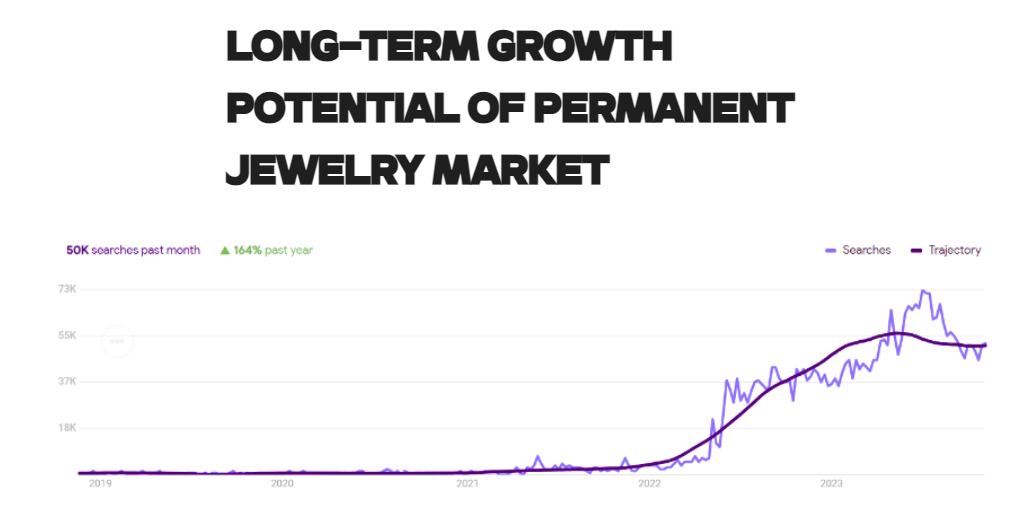
It attracts millennials and Gen Z who value personalized and symbolic items, couples who look for unique engagement or wedding jewelry, and individuals who seek commemorative pieces. Though permanent jewelry bracelet is a high-demanding collection among its audience, other permanent jewelry such as permanent necklaces, delicate chains, anklets, rings, and even earrings, are gaining popularity.
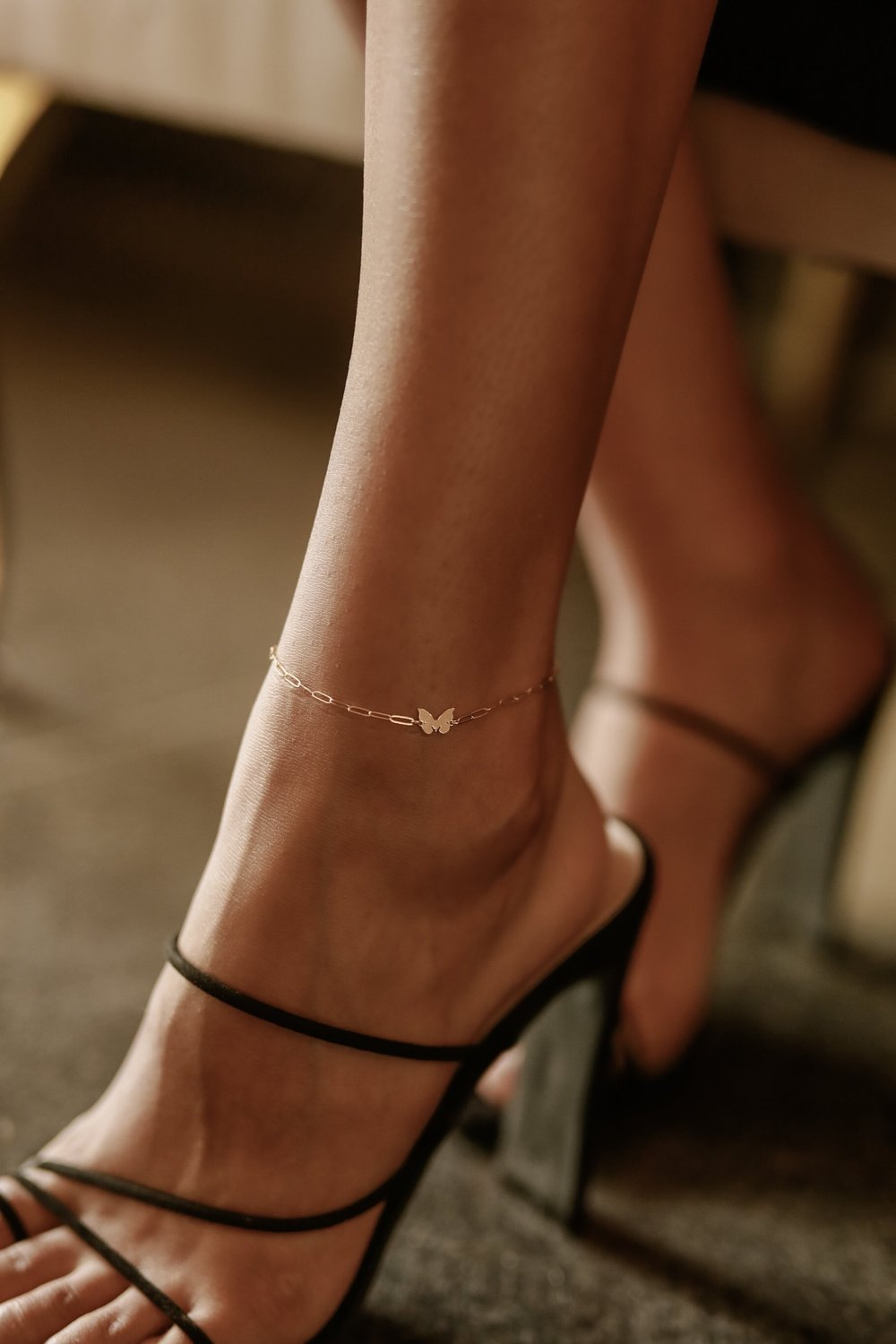
Interest in permanent jewelry has surged, with a notable rise in online searches and social media engagement, particularly on social media platforms like Instagram and TikTok which have gained millions of views. Influencer collaborations with jewelers are becoming more and more common, showcasing delicate, welded pieces, further boosting its market visibility. The permanent jewelry market is booming. It’s no longer just a trend; it’s becoming a staple in the jewelry industry. It presents lucrative business opportunities.

Large brands like Cartier and Tiffany & Co are introducing their own permanent jewelry lines, fine jewelry brands are partnering with tattoo artists for collaborative permanent jewelry experiences. As the entry barrier for starting a permanent jewelry business is relatively low, many startup entrepreneurs and independent jewelers are now stepping into the permanent industry and are leveraging social media to build up follower bases.
Part 3. Diverse Business Models of The Permanent Jewelry Market
The permanent jewelry market features a diverse and dynamic ecosystem of business models, catering to various consumer preferences and market segments. Jewelry retailers are embracing both traditional brick-and-mortar stores and online platforms.
Brick-and-mortar boutiques focus solely on local in-store experience, allowing customers to see and feel the jewelry before committing, once the favorite piece is picked, the jeweler can measure your size and weld the jewelry on your body that fits your size perfectly. This traditional retail format cultivates a loyal local clientele.
Some jewelry retailers offer online sales only. Such e-commerce models often facilitate AR shopping with virtual try-on technology integrated to offer customers more insight into the product details. Customers just “try on” and pick their favorite style from the convenience of their home and find a local jeweler who can do the welding.
Hybrid models combine online presence with local welding services, allowing customers to browse and book the pieces online, and schedule in-person fittings and welding appointments.
Some more flexible business models don’t have a physical store or online store. For example, many artists are leveraging pop-up shops, they set up temporary stations at fairs, markets, or local collaborations with luxury hotels and resorts to offer customers an exclusive experience, as well as keeping overheads low while maintaining high-profit margins.
Part 4. Why Permanent Jewelry Becomes So Popular
Permanent jewelry has surged in popularity, not only among customers but also within the business world, for reasons that extend beyond its aesthetic appeal. In this section, we will explore the underlying factors that have driven the widespread success of permanent jewelry from both the consumer and business perspectives, shedding light on why the permanent jewelry trend has become so impactful across both sides of the market.
1. On Customers’ Side
- Sentimental Value: Permanent jewelry is associated with special memories, relationships, or milestones. Customers regard it as a way to symbolize meaningful connections that remain with them permanently.
- Customizable: Permanent jewelry involves deep customization, allowing customers to choose jewelry styles, metals, and stones that reflect their personal style and preferences. This makes the piece more special with a personal touch.
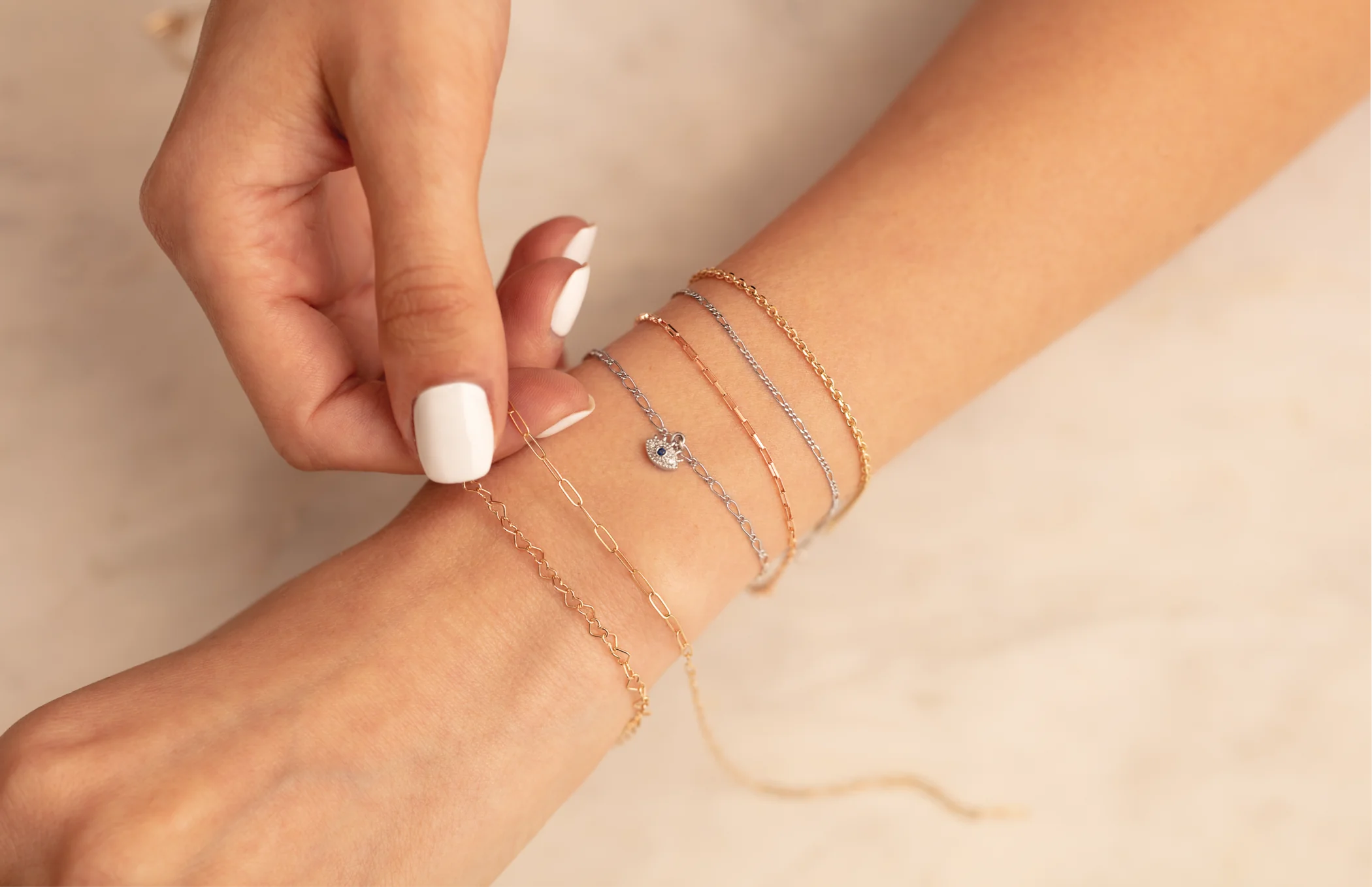
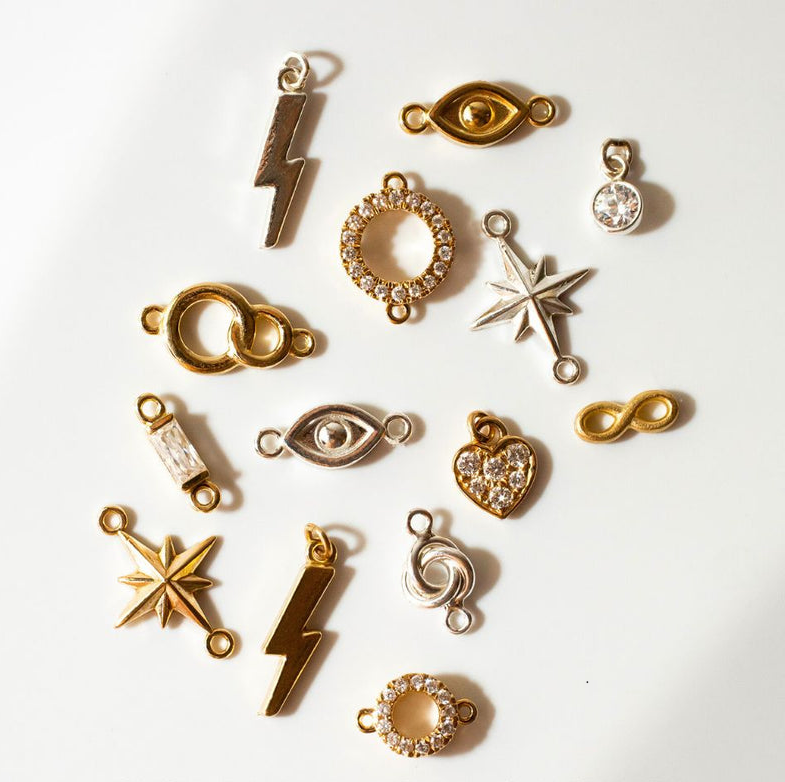
- Fashion Statement: Permanent jewelry is often an elegant and minimalistic design that goes timeless and versatile, fitting the modern fashion trends for a long period of time. This makes them attractive to a broad range of customers who are looking for pieces that retain.
- Convenience: As there’s no clasp to take out and put on, permanent jewelry offers a carefree and low maintenance or replacement experience to customers.
2. On Businesses’ Side
- High-Profit Margins: With its minimalist design, permanent jewelry can utilize high-quality materials such as 14k and 16k gold, platinum, or sterling silver, while maintaining relatively low material costs, which allows businesses to achieve higher profit margins. On the other hand, The personalized welding service adds emotional value for customers, justifying a higher price without substantial labor costs, as the process only takes a few minutes. This makes customers willing to pay for the service.
- Lower Return Rate: Unlike some retail sectors where high return rates can result from discrepancies between product images and the received product, or issues with sizing, permanent jewelry boasts an exceptionally low return rate. This is because customers have the opportunity to select, try on (either in person or virtually), and adjust their jewelry to fit their specific measurements before finalizing their purchase. Consequently, reducing the overhead and hassle of dealing with exchanges or returns.
- Repeat Business and Upselling Opportunities: Customers who appreciate their initial purchase are likely to return for new styles, trendy accessories, or updates to their existing pieces, creating ample upselling opportunities. Additionally, services like resizing, repairs, or adjustments provide a chance for further revenue while strengthening customer relationships. These ongoing interactions enhance customer loyalty, encouraging them to share their positive experiences on social media and recommend the business to friends.
Part 5. How to Start Doing Permanent Jewelry
Embarking on a new business venture, no matter which niche, requires laying a solid foundation through market research, understanding industry trends, competitive analysis, and strategic planning. These essential steps are crucial for building a successful enterprise. Once these basics are covered, it’s important to explore how businesses of various sizes and stages can approach entering the permanent jewelry market.
For Big Jewelry Brands
For established jewelry brands, introducing a permanent jewelry line is relatively straightforward. They can build on their existing infrastructure by expanding their product range with minimalist, stylish pieces crafted from high-quality, durable materials, seamlessly integrating the new line into their current offerings, and integrating the new line into their current offerings. Brands should utilize their in-house expertise for welding or hire new specialists if necessary.For Startups
Startups and individual entrepreneurs face a unique set of opportunities and challenges when stepping into the permanent jewelry market. They should choose a business model that fits their resources—whether online, offline, or a mix—and develop effective, cost-efficient marketing strategies. Studying welding skills can not only save welder costs but also offer an interaction when welding the piece on customers’ bodies. Leveraging personal charm and community-focused service to build local connections and trust. Starting on a small scale allows for market testing and provides more flexibility to manage risk and gradually scale as they grow.For Small and Medium-size Enterprises (SMEs)
Most small and medium-sized enterprises may be at a stage that has built a stable client base and revenue after several years in the jewelry industry but are struggling to find new paths for growth. The challenge now is figuring out how to break through and take your business to the next level. Unlike startups, which can experiment on a small scale, or large brands with ample budgets to test ideas quickly, small and medium-sized enterprises (SMEs) need a more calculated approach. Is there still room in the market for SMEs to find their niche and grow?Part 6. Practical Tips for SMEs to Boost Their Jewelry Business
To unlock new growth opportunities while effectively managing risks, you can apply the Ansoff Matrix, a strategic tool that helps businesses explore different growth opportunities by looking at potential market and product combinations. By using this approach, you can better understand which growth strategy aligns with your business goals and resources.
To further differentiate small and medium-sized jewelry businesses from large brands and emerging startups in the permanent jewelry market, here are additional strategies that can provide a competitive edge:
1. Emphasize Sustainability and Ethical Practices
The demand for ethical and sustainable jewelry is on the rise. Small and medium-sized enterprises (SMEs) can capitalize on this trend by sourcing eco-friendly materials, reducing their environmental impact while appealing to environmentally conscious consumers. By emphasizing artisanal craftsmanship, SMEs showcase the skill and dedication behind each piece, positioning themselves as a conscious alternative to large corporations and attracting ethically minded consumers who prefer to support smaller, purpose-driven enterprises.2. Generate FOMO Through Limited Availability
Unlike large brands that are too big to pivot quickly to experiment with new trends and new styles, while startups may lack the brand recognition to make exclusivity appealing, SMEs can use their agility to offer limited-edition permanent jewelry pieces or seasonal collections that generate a sense of urgency and scarcity. SMEs can find the perfect balance, responding quickly to shifts in demand and staying ahead of market trends that appeal to both existing and new customers.3. Capitalize on Localized Community Marketing
While big brands target broad audiences, SMEs can dominate niche markets and local communities. Whether through partnering with other local businesses or micro-influencers in your niche through community events and pop-up shops, or teaming up with local fashion boutiques, wedding planners, or event venues to offer permanent jewelry as part of a larger experience. You can create a strong, loyal customer base and gain brand visibility in your region.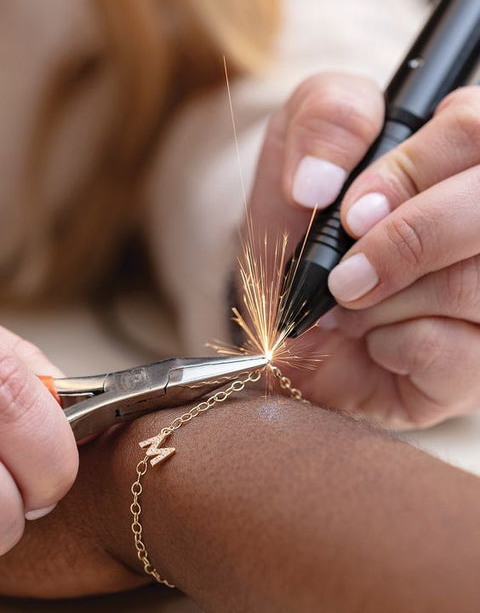
4. Create an Exclusive Membership Program
Large brands often lack the ability to create intimate, tailored services. SMEs can introduce a loyalty or membership program specifically for their permanent jewelry clients. Offer perks like early access to new designs or bigger discounts. Businesses can also implement a subscription model where customers can sign up for free maintenance on their permanent jewelry such as free re-polishing, free repairs, minor adjustments, or periodic upgrades. SMEs can also organize exclusive, invitation-only jewelry experiences for high-net-worth individuals in the neighborhood to feature custom jewelry consultations, live demonstrations of the welding process, and opportunities for clients to create their own designs. Whether it is VIP membership, subscription, or invite-only events, these experiences can generate buzz align your brand with high-end, luxury perception, and build a community of loyal customers who feel valued and exclusive. This is a tactic that both large brands and new startups may find harder to execute in such a personal way.5. Position Your brand As an Expert Through Education
Positioning your brand as an expert in the permanent jewelry market can be achieved by focusing on customer education. Hosting workshops and offering behind-the-scenes content allows you to engage customers with insights into the craftsmanship, materials, and techniques behind each piece, fostering trust and transparency. You can further enhance your brand’s authority by offering educational classes and interactive Q&A sessions that give clients valuable knowledge about jewelry care, design, styling tips, and sustainability. Collaborating with experts through educational content and exclusive collections can boost your brand’s credibility and appeal. Partnering on webinars or blogs provides valuable insights, while limited-edition collections with designers create exclusivity and excitement. These collaborations help you stand out in a competitive market that larger brands often overlook.Part 7. Integrate 3D Technology Throughout Business Strategies
In our previous article, we explored how jewelry designers use 3D technology to fulfill custom jewelry design requests. Designers create 3D jewelry renderings based on bespoke designs, minimizing communication errors before production begins. For permanent jewelry, however, the process is different. It focuses more on adjusting and combining existing designs with minor tweaks. Once the overall look is satisfactory, the design is typically finalized, and the client books an appointment for in-person welding.
Unlike custom jewelry that relies on 3D technology during the design phase, 3D tools enhance the permanent jewelry shopping experience. As clients browse online, a 3D configurator lets them see real-time combinations of different pieces. Additionally, AR/VR simulations allow customers to visualize how the jewelry will look when worn and estimate its size.
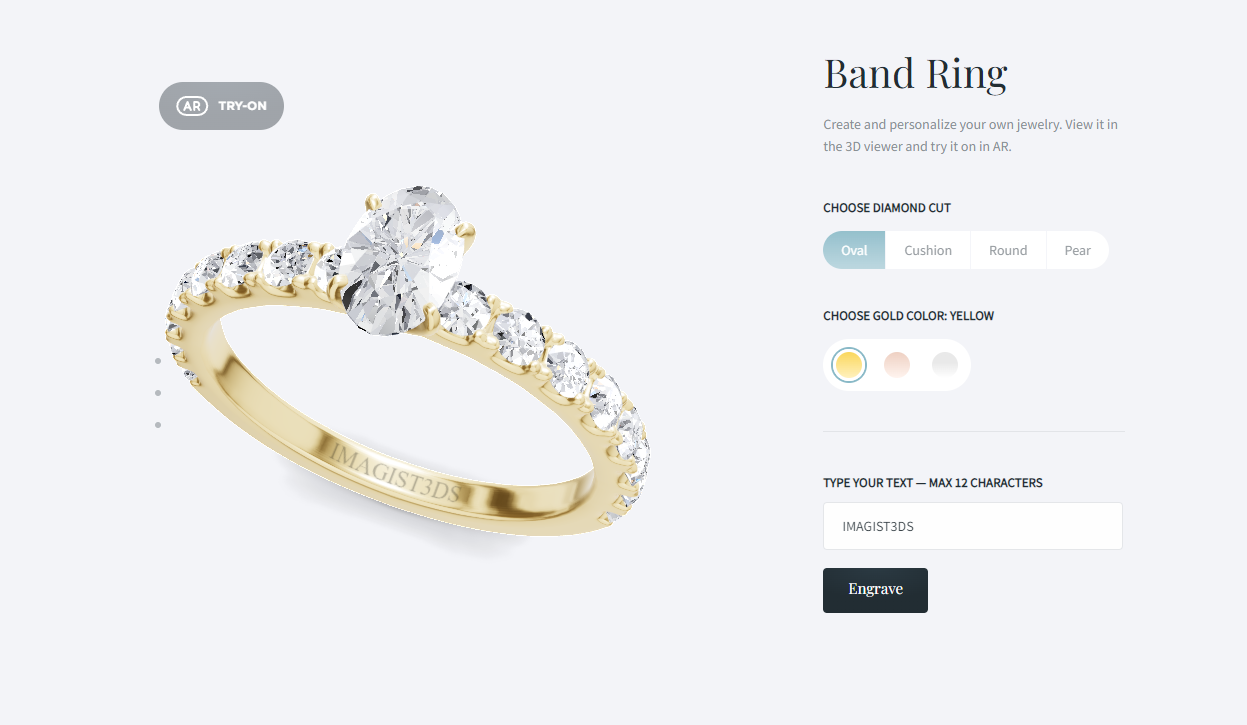
For 3D jewelry animation video content, many permanent jewelry businesses are shifting away from the traditional format of highlighting individual product details, breakdowns, and features. Instead, they focus on showcasing product collections, emphasizing the variety of pieces and how they can be paired together. This creates the impression of a vast selection, allowing customers to explore options and choose according to their personal style, ultimately driving purchase decisions.