In today’s digital era, 3D architecture and 3D product rendering have become indispensable in the design and marketing industries. This sophisticated process transforms conceptual ideas into photorealistic visual representations, allowing designers, manufacturers, and marketers to showcase their designs with stunning clarity and details before they are manufactured or built in the physical world. In this article, we will introduce the steps of processing 3D Rendering, and how long it takes, and also attach tips to streamline the 3D rendering workflow.
Part 1. 3D Rendering Process Explained
Part 2: Key Components and Skills Required for 3D Rendering
Part 3. Streamlining the 3D Rendering Process
Part 1. 3D Rendering Process Explained
3D rendering involves several intricate stages, each requiring a unique blend of technical expertise and artistic vision. Understanding these stages is crucial as it illuminates the complexities of the process and the value it brings to modern business practices. Let’s explore the key steps that bring a product from imagination to virtual reality, highlighting the challenges and considerations at each phase.
1. Conceptualization and Ideation
This initial stage involves transforming abstract ideas into visual concepts. Designers create sketches, mood boards, and rough 3D models to visualize product concepts. This phase encourages brainstorming and exploration of various design directions, often incorporating diverse inputs from team members and stakeholders.
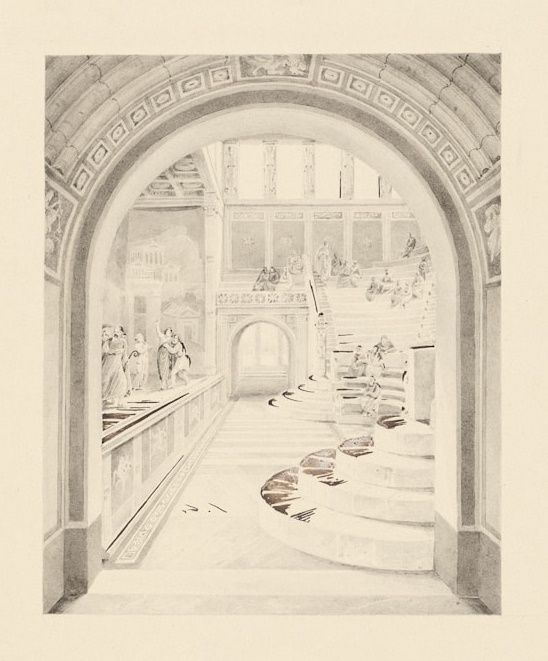
It’s exciting to let your imagination run wild. However, it can also be overwhelming. How do you translate abstract ideas into concrete visuals? You might find yourself juggling balancing client expectations, market trends, and your artistic vision. This stage sets the foundation for everything that follows, so it’s crucial to get it right. Effective conceptualization sets the foundation for the entire rendering process.
2. Modeling
Now comes the challenging part of turning your 2D concepts into precise 3D models. This isn’t just about making something look good – it needs to be technically accurate and potentially even functional and attention to detail. It’s a time-consuming process that requires both artistic flair and technical know-how.
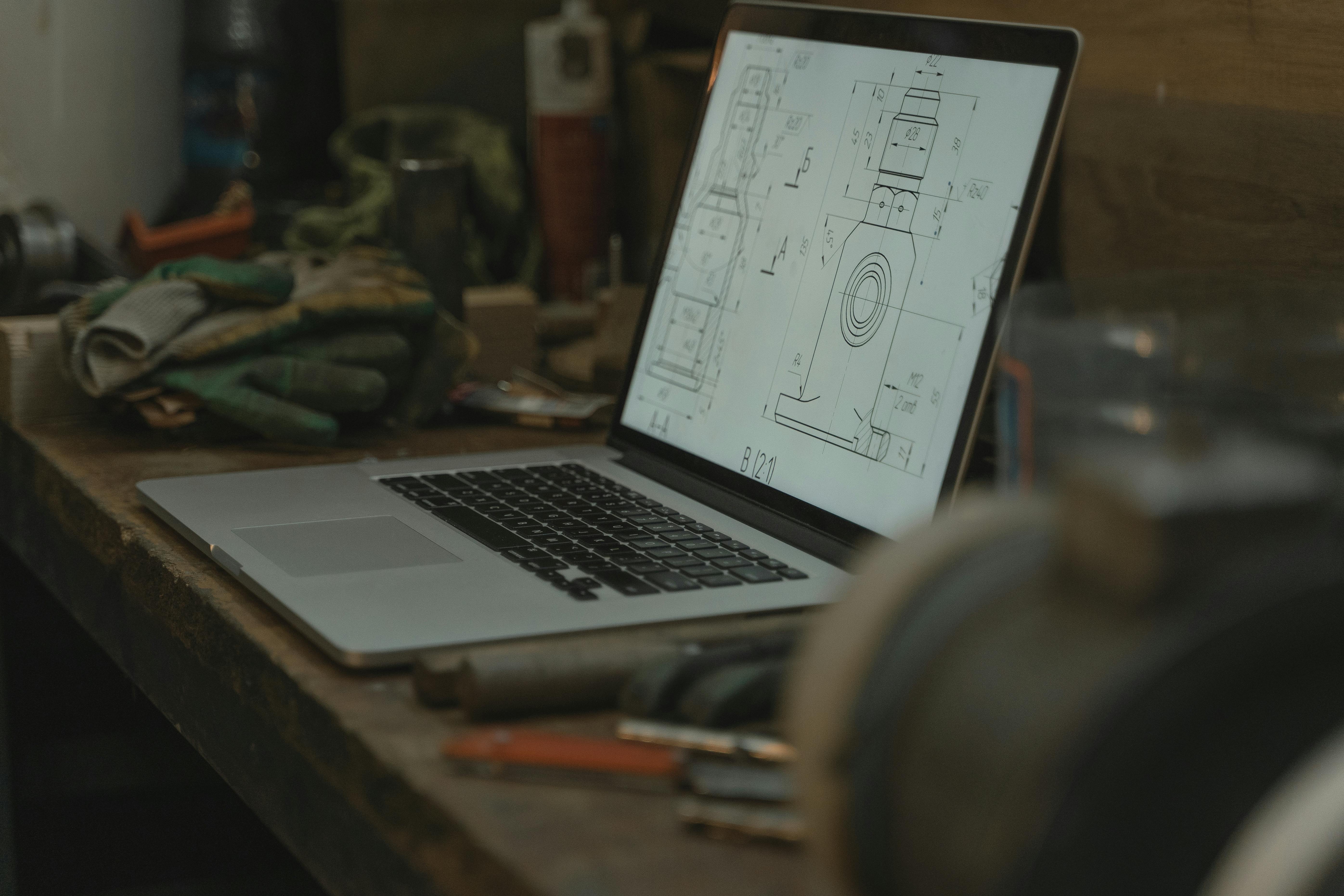
Designers must consider topology, scale, and proportions while using complex 3D software. The model serves as the foundation for all subsequent steps, making accuracy crucial. Ensuring every curve and edge is just right because any single mistake at this stage can cause headaches down the line.
3. Texturing
Texturing brings the 3D model to life by applying materials, colors, and surface details. It is an art form in itself and where your product starts to come alive. You’re not just slapping on colors – you’re considering how light interacts with different surfaces, and how to convey the feel of materials like metal, wood, or fabric in a digital space. UV mapping can be particularly tricky, ensuring textures wrap correctly around complex shapes. It’s a stage that requires patience, an eye for detail, and often, specialized knowledge of how different materials behave in the real world.

4. Lighting
Lighting is the unsung hero of great renders. It creates realism and mood in 3D renders. It’s not just about making things visible – it’s about highlighting key features, adding depth to your product, and creating the desired atmosphere. Techniques such as HDRI environments, global illumination, and traditional lighting setups are employed. Each product and scene might require a completely different approach. Mastering lighting is often what separates good renders from great ones, but it’s also one of the most technically challenging aspects of the process.
5. Rendering
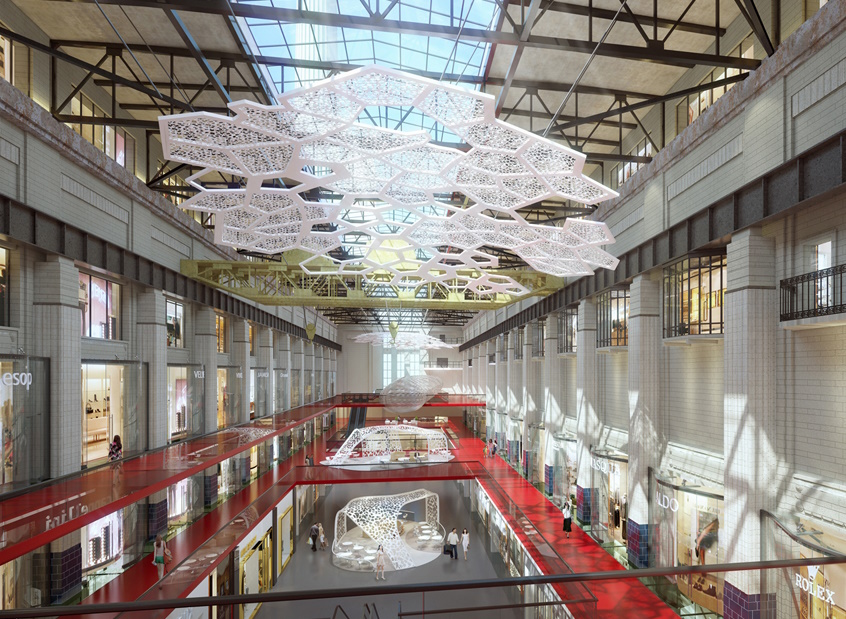
This stage is the moment of truth – when your computer crunches all the data to produce the final image. It’s exciting, but can also be frustrating. It involves complex calculations to simulate light interaction with the model and its textures. Challenges include balancing render quality with time constraints. High-quality renders can take hours or even days to complete, especially for complex scenes or animations. And if you spot an issue after rendering? It’s back to the previous stages for adjustments. Selecting appropriate render settings and managing computational resources is the key, especially when working with tight deadlines.
6. Post-Processing
Post-processing involves refining the rendered image to achieve the final look. This stage includes color correction, adding effects, and making final adjustments to enhance the overall quality of the render. It’s detailed work that requires both technical skill in image editing software and an artistic eye for composition and color theory. Any small tweaks can make a big difference and can help take your render from good to great, but knowing when to stop and call a project complete is an art in itself.
7. Presentation and Feedback
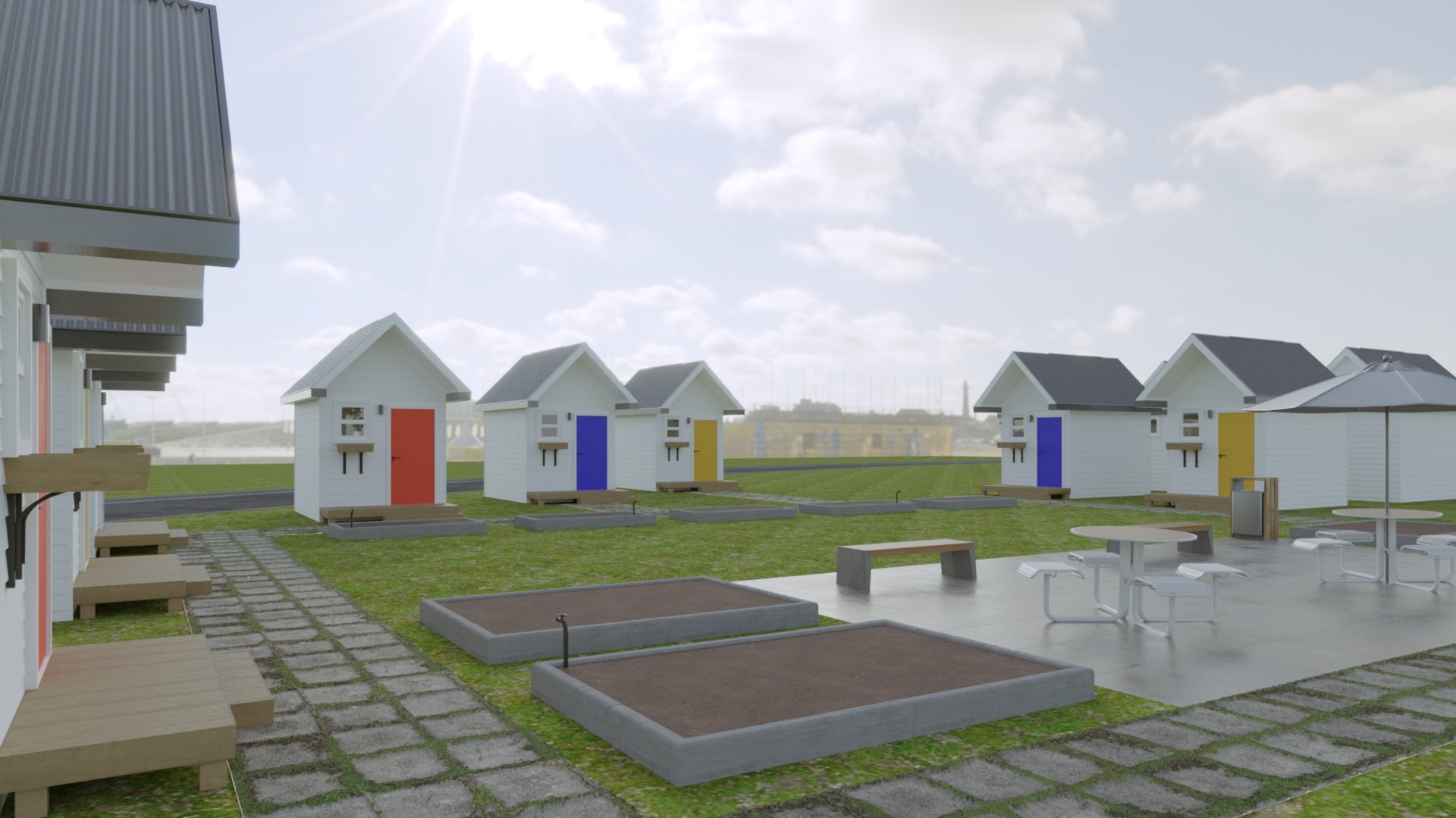
The final stage involves presenting the rendered product to stakeholders and incorporating feedback. This can be nerve-wracking because this often leads to iterations and refinements based on client input. Will they love it? Will they request major changes? You need to be prepared to explain your creative decisions, defend your choices, and potentially go back to the drawing board if the feedback isn’t positive.
Each of these stages requires specific skills and expertise. It’s not just about the technical skills of rendering anymore – It’s critical for your skill dealing with client communication, and managing expectations.
Part 2: Key Components and Skills Required for 3D Rendering
In the world of 3D rendering, a well-defined process is essential for achieving stunning results. This section explores the critical components that influence the rendering workflow, from the time investment required for high-resolution outputs to the diverse skill sets needed to master industry-standard software, setting the foundation for successful projects.
1. Time Investment and Workflow Efficiency
Achieving high-quality renders, especially renderings at high resolutions, often involves a considerable time investment, with complex scenes potentially requiring hours or even days to complete. This makes establishing efficient workflows critical for meeting tight deadlines. By optimizing each stage of the rendering process—from initial concept and modeling to final output—creatives can reduce render times and streamline revisions.
A key aspect of workflow efficiency lies in strategic project analysis and resource management. Carefully examine project requirements to identify elements that can be reused or repurposed across different scenes or even multiple projects. This approach involves creating versatile assets, materials, and lighting setups that can be adapted and applied in various contexts. By building a library of high-quality, reusable components, artists can significantly reduce redundant work, allowing them to focus their time and creativity on unique aspects of each project. This not only accelerates the overall production process but also ensures consistency across related renderings, ultimately leading to more cohesive and polished final outputs while maximizing time efficiency.
2. Skills and Software Proficiency
Mastery of a diverse range of skills is essential in the 3D rendering field, including an understanding of lighting, shading, texturing, and scene composition. Proficiency in industry-standard 3D modeling software and rendering engines, such as Blender, Maya, 3ds Max, Vray, Revit, and Keyshot, is crucial for navigating the complexities of rendering. Each tool offers unique capabilities and requires different techniques, making ongoing learning and practice vital. Staying current with software updates and exploring new features can empower artists to enhance their work, enabling them to tackle more intricate projects and push the boundaries of their creative potential. Equally important are artistic skills, including a strong grasp of composition, color theory, and design principles.
3. Managing Challenges Under Pressure
The 3D rendering process can present various challenges, artistic challenges, hardware challenges, and workflow challenges particularly when working under tight deadlines. Issues like hardware bottlenecks, unexpected software glitches, or last-minute changes can increase stress and disrupt progress. Developing contingency plans and prioritizing tasks can help ensure that projects remain on track without sacrificing quality.
Part 3. Streamlining the 3D Rendering Process
The most important factors for achieving good renders are pre-production planning and robust modeling. Consider adopting a systematic approach. First, establish a clear project brief to define objectives and timelines. Implement a consistent workflow by creating templates for common tasks, which can reduce setup time.
Prioritize communication within teams to ensure alignment and address challenges promptly, ultimately leading to a more efficient rendering process. Establishing feedback loops not only leads to higher quality outputs but also cultivates a positive work environment, ultimately resulting in exceptional 3D visualizations that meet both creative vision and technical requirements.
The complexity of the 3D rendering process often leads designers and companies to consider outsourcing to a specialized 3D rendering studio. This approach allows for access to expert knowledge and advanced resources while enabling designers to focus on core creative aspects of product development.
Imagist3ds helps designers, manufacturers, marketers, and creative directors bring their ideas to life. We build accurate 3D models as a foundation for any purpose and render photorealistic images and videos for development, manufacturing, and marketing. If you have a project in mind, please feel free to send the drawing files to us and tell me your perspectives on the campaign in detail. Our 3D product rendering, 3D product animation, and 3D architectural visualization services have confidently served professionals internationally for the past 13 years.
GET A PRICE QUOTE
Contact us and initiate your first 3D rendering project with us.